Category: Mobile App Development

  • Mastering the Mobile App Development Lifecycle: Powered by Expertise to Overcome Challenges

    Introduction

    In the swiftly evolving and cutthroat digital sphere, crafting mobile apps is crucial for companies aiming to grow, innovate, and engage with a worldwide audience. With countless apps in app stores, firms must prioritize creating excellent, user-focused, and effective mobile applications that appeal to their ideal customers. These apps are now a key part of business plans, increasing customer interaction, strengthening brand affinity, and opening up new avenues for revenue.

    Nonetheless, building a mobile app is far from easy. It involves an intricate, multi-step process, where each step is vital to providing a product that satisfies both user desires and business objectives. From the first idea to preparing the app for future expansion, the Mobile App Development Lifecycle includes all these steps and more. This detailed lifecycle not only aids in creating a practical app but also ensures it stays flexible and expandable over time.

    This blog post will deeply examine the Mobile App Development Lifecycle, breaking down each phase and showing how businesses can tackle common hurdles to build apps that excel in the market. At Sumay Infotech, a top mobile app development, web development, and SEO company located in Ahmedabad, India, we are well-versed in the complexities of the development process. We are dedicated to providing superior apps built on innovation and proficiency. We will also spotlight major problems, such as bad user engagement, slow app functionality, and vague project goals, and offer advice on how to deal with these issues effectively.

    Understanding the Mobile App Development Lifecycle

    The Mobile App Development Lifecycle describes the entire process, from the initial idea to the app’s launch. This includes different stages, each having specific tasks, obstacles, and solutions. By understanding each phase and dealing with possible problems, companies can create top-notch apps that achieve their goals and please users.

    This lifecycle starts with strategy and analyzing requirements, then moves to planning and creating a roadmap, UI/UX design, the app’s structure, actual development, testing, releasing the app, maintenance after launch, reviewing user feedback, and finally scaling for growth. Each stage is linked to the others, and missing any phase can cause the app to perform poorly or not satisfy users.

    1. Strategy and Requirement Analysis: Defining a Strong Foundation

    Before commencing development, it’s vital to define a solid strategy and perform a comprehensive requirement analysis. This stage is the foundation for the entire project, preventing potential costly errors later. A frequent issue in mobile app development is a lack of well-defined project objectives, often resulting in wasted resources, timeline extensions, and disappointment for users and business partners.

    During the strategy and requirement analysis, Sumay Infotech ensures that each project begins with a thorough grasp of the business’s aims. We work closely with our clients to pinpoint precise app goals, detailing its intended achievements regarding user interaction, features, and overall effect. This also encompasses in-depth market analysis to assess rivals, pinpoint market opportunities, and understand the target audience’s preferences, habits, and challenges.

    A major difficulty for numerous businesses is picking the correct platform for app development, encompassing iOS, Android, or both. At Sumay Infotech, we assist our clients with this decision-making process, assuring the selected platform(s) aligns with the target audience and the business’s aims. We also carefully pick the technology stack, factoring in programming languages, frameworks, and tools best suited to the project’s requirements.

    2. Planning and Roadmapping: A Blueprint for Success

    Once the strategy is set, the next step involves crafting a thorough project plan. A well-defined roadmap aids companies in staying on course, sidestepping typical issues, and utilizing resources effectively. Numerous app development ventures stumble because of inadequate planning, fuzzy schedules, and unrealistic goals. By detailing each stage, from creation to release, companies can avert expensive setbacks and boost their likelihood of achievement.

    The planning stage encompasses defining the project’s scope, estimating expenses, assigning resources, and establishing timelines. Moreover, it entails risk assessment, identifying potential obstacles such as scope changes, budget overruns, or delays and establishing solutions.

    At Sumay Infotech, we make sure that the project plan is complete and encompasses all development facets, encompassing team roles, deadlines, and key targets. A detailed plan acts as a reference point for the entire development group, confirming that all participants are in sync and working toward the desired results.

    3. UI/UX Design: Creating a Seamless User Experience

    UI/UX design is frequently viewed as a critical element in developing mobile apps. A visually attractive and easy-to-use app can considerably boost user involvement and loyalty, whereas a badly designed app can cause irritation and user drop-off. In the cutthroat mobile app market now, businesses must recognize the need for straightforward design.

    UI and UX design are intertwined. UI pertains to the visual aspects of the app, such as layout, color palette, fonts, and buttons. Conversely, UX centers on the overall user experience, making sure the app is easily navigable and provides smooth interaction.

    The key is to create an interface that’s both aesthetically pleasing and useful. A recurring problem happens when the app’s design doesn’t match the brand’s standards or the target audience’s tastes. At Sumay Infotech, we prioritize designing apps that are visually pleasing, simple to navigate, and offer users an engaging experience. We start with wireframing and prototyping, followed by user journey mapping to guarantee the app is intuitive and smooth.

    4. App Architecture and Technical Design: Building a Robust Foundation

    The structure of a mobile app is fundamentally defined by its architecture.  If the architecture is flawed, it can cause performance degradation, security risks, and prevent the app from scaling properly. During the architecture stage, developers establish the app’s technical framework, concentrating on how information moves and how the app communicates with external components.

    Problems during this phase often include selecting unsuitable backend technologies, making poor database choices, or not considering the potential for scaling up. A solid technical design is critical to avoiding these challenges, guaranteeing the app is scalable, secure, and performs optimally under fluctuating demand.

    Sumay Infotech emphasizes building a solid app architecture by picking the right backend technologies, designing database models, and configuring APIs and third-party connections. This groundwork helps keep the app stable and performing well, regardless of its size and evolution.

    5. App Development Phase: Turning Ideas into Reality

    The application development phase is when the code is written and the app begins to materialize. It comprises two key parts: frontend and backend development. Frontend development centers on visual aspects and user engagement, while backend development handles server-side functions, data operations, and security.

    Front-end development involves building the app’s interactive components, like buttons, forms, and navigation. Common frontend technologies are React Native, Flutter, Swift (for iOS), and Kotlin (for Android). Backend development concentrates on server-side logic, which includes managing user data, processing requests, and safeguarding data.

    Agile development methods are utilized during this phase for iterative progress and ongoing improvement. This strategy aids in quickly resolving problems like slow performance or security weaknesses, making sure the app is constructed efficiently and with quality as the priority.

    6. App Testing and Quality Assurance: Ensuring a Flawless Experience

    App testing is crucial for confirming that the application operates correctly and delivers a smooth experience to users. Without comprehensive testing, an app is prone to bugs, performance problems, and security vulnerabilities that could negatively impact user experience and damage the business’s standing.

    Testing should encompass various domains, like functional testing (to confirm proper app function), performance testing (to evaluate speed and responsiveness), security testing (to safeguard user data), and usability testing (to verify user-friendliness). Furthermore, compatibility testing guarantees the app functions on different devices, operating systems, and screen resolutions.

    Sumay Infotech performs thorough testing during each stage of development to pinpoint and resolve issues early, guaranteeing the app operates without flaws upon its release.

    7. Deployment and Launch: Reaching the Audience

    After the application successfully completes all testing stages, the next step is deployment and release on the selected platforms, including the Apple App Store or the Google Play Store. This phase requires the preparation of metadata, including the app’s name, a description, keywords, screenshots, and app previews, in addition to verifying adherence to platform-specific standards.

    Many companies encounter difficulties during deployment, like struggling to adhere to app store guidelines, which may result in postponements or rejections. At Sumay Infotech, we guarantee that every application adheres to the required rules, ensuring a seamless and successful launch. Moreover, we assist our clients in devising a launch plan that encompasses marketing activities to improve visibility and attract users.

    8. Post-Launch Support and Maintenance: Keeping the App Future-Ready

    Once an app is released, post-launch support is vital for keeping it working well, safe, and current. Some companies don’t dedicate enough resources to maintenance, which can cause problems later on, like security risks or a bad user experience.

    Post-launch tasks involve watching how the app performs, squashing bugs, adding new features through updates, and handling user comments. At Sumay Infotech, we offer consistent upkeep and support, guaranteeing the app keeps reaching business goals and user needs long after its release.

    9. User Feedback and Continuous Improvement: Evolving for Success

    User input is crucial to enhance the app and confirm its continued usefulness and impact. Examining user feedback enables businesses to spot issues, determine feature priorities, and fine-tune app performance. This stage enables continuous improvement of the app, guided by user preferences and market shifts.

    10. Scaling and Growth Planning: Preparing for the Future

    When an app becomes popular, companies need to think about how to scale it. This means including new features, entering new markets, and incorporating extra services from other companies. Scaling helps the app deal with more users and keep a good experience for them, even as it grows bigger.

    Building Apps for Long-Term Success

    The Mobile App Development Lifecycle is a complex process involving thoughtful planning, implementation, and ongoing refinement. By grasping each stage and tackling frequent hurdles, companies can build top-notch apps that satisfy both user requirements and business goals.

    Should you need assistance with mobile app development or have inquiries, please visit our website and complete the contact form. Let’s collaborate to craft a mobile app that can elevate your business.

    Reach Out to Us for More Blog Posts

  • Powered by Innovation: Top Mobile App Development Companies in India & USA for Success

    Introduction

    In our current digital landscape, businesses must adjust and grow by embracing advanced technology. A key way to remain competitive and reach more people is via mobile applications. With over 5 billion smartphone users globally, mobile apps are now vital tools, allowing companies to connect with clients, make operations smoother, and gain market advantages.

    When it comes to mobile app creation, collaborating with the correct firm is vital. No matter if you’re launching a new app for your startup or developing a large-scale solution, choosing a leading mobile app development company is key to your digital product’s success. This article will examine top mobile app development firms in India and the USA, point out crucial elements when picking an app development partner, and discuss current trends influencing the mobile app sector.

    The Importance of Mobile App Development for Businesses

    Before exploring the leading mobile app development companies, grasping the significance of mobile apps for businesses is crucial. With the continued growth of mobile use, businesses must satisfy customer needs and provide smooth experiences across devices. Mobile apps play a key role by offering things like:

    • Better User Interaction: Mobile apps give direct contact with your clients, helping them connect with your brand. Notifications, news, and personalized content make it easier to develop stronger customer relationships.
    • Greater Brand Awareness:Being on mobile devices boosts your brand’s visibility, keeping it noticeable to consumers as they use your app regularly.
    • Improved Customer Journey: A well-designed mobile app allows users to easily use your services. Whether it’s scheduling, buying, or accessing content, the app improves the complete customer experience.
    • Enhanced Conversion Performance:Mobile apps can lead to higher conversion rates compared to mobile websites. Through push alerts, simple payment methods, and tailored deals, apps can prompt users to act faster.
    • Data-Driven Insights: Mobile apps let you observe user behavior, providing insights into how customers interact with your product or service. This information can enhance app performance and personalize marketing plans.

    Considering these benefits, it’s evident that a solid mobile app can greatly boost a company’s expansion. However, success is highly dependent on selecting a premier mobile app development company to work with.

    Why Choose a Top Mobile App Development Company?

    Selecting the right app development firm is about more than just the price tag. It’s about assessing the company’s technical skill set, industry knowledge, and strategy for app creation. 

    Here’s why teaming up with a leading mobile app development company can boost your project’s chances of success:

    • Technical Proficiency: The best companies possess a thorough grasp of mobile app development tools. This encompasses native app creation for iOS and Android, cross-platform development, and cutting-edge technologies such as artificial intelligence, machine learning, and blockchain.
    • Design and User Experience: Top-tier app developers prioritize not just functionality, but also the creation of user-friendly, intuitive apps with smooth experiences. Their UX/UI design capabilities make your app both visually engaging and easy to use.
    • Project Management: A top company will have a solid structure in place to handle app development projects. This includes everything from initial discussions and planning to design, building, testing, and launch. Good project management ensures that the project stays on schedule and is completed within the agreed-upon timeframe.
    • Quality Assurance: Quality is extremely important in mobile app creation. Reputable companies use rigorous testing methods to make sure the app is bug-free, secure, and performs well under various situations.
    • Post-launch Support: A dependable mobile app development firm offers after-launch support, providing updates, fixing bugs, and helping with any technical issues that may emerge once the app is live. This support is essential for maintaining the app’s functionality and its importance in a fast-paced market.

    Best Mobile App Development Companies in India

    India boasts some of the finest mobile app development firms, providing premium services at affordable rates. These companies have collaborated effectively with clients across numerous sectors, providing scalable and inventive mobile app solutions.

    Below are some of the leading mobile app development companies in India:

    1. Sumay Infotech

    At Sumay Infotech, we don’t just build websites or apps — we craft digital experiences that help businesses grow. Based in Ahmedabad, India, we’re a fast-rising IT solutions provider known for delivering smart, scalable, and user-friendly solutions across web development, mobile app development, and SEO services.

    Whether you’re a startup finding your feet or an established enterprise looking to scale, we offer tailored digital strategies that meet your unique needs. From responsive websites and high-performance mobile apps to SEO plans that actually drive results, our team blends technical skill with creative thinking to get you ahead.

    We use the latest tech and frameworks to make sure every project is secure, scalable, and built to last. At Sumay Infotech, we’re not just about ticking boxes — we’re about helping you stand out, stay ahead, and succeed online.

    2. Smartecowaypro

    Smartecowaypro, located in Bangalore, India, is a leading mobile app development firm recognized for offering green, sustainable digital solutions. Their proficiency covers both iOS and Android development, along with new technologies like the Internet of Things (IoT) and eCommerce app development. Smartecowaypro collaborates with businesses of all sizes to create custom mobile applications that help them achieve their digital objectives.

    The company emphasizes using the latest technologies to build scalable, secure apps designed to grow with your business. With a focus on innovation and the user experience, Smartecowaypro has gained a reputation for delivering high-quality mobile solutions.

    3. Hyperlink InfoSystem

    Hyperlink InfoSystem, an Ahmedabad-based mobile app development company, has over 11 years of experience in the industry. They have delivered over 4,500 apps globally, serving diverse sectors such as healthcare, education, eCommerce, and finance. Hyperlink InfoSystem provides iOS, Android, and cross-platform app development, along with services in blockchain, AI, and machine learning.

    The company’s strong project management process and proficiency with new technologies make it a top app development company in India. Hyperlink InfoSystem’s emphasis on providing feature-rich, secure, and scalable apps has helped them build long-term client relationships worldwide.

    4. Techugo

    Techugo, with its headquarters in Noida, India, is known for building functional and user-friendly mobile apps. They provide app development services for startups, enterprises, and entrepreneurs, emphasizing innovation and scalability. Techugo specializes in iOS, Android, and cross-platform app development, along with UX/UI design, app maintenance, and app marketing services.

    Their extensive portfolio includes mobile apps for healthcare, entertainment, education, and eCommerce. With a customer-centric approach and a focus on quality, Techugo is one of the most sought-after mobile app development companies in India.

    5. Konstant Infosolutions

    With over 20 years of experience, Konstant Infosolutions is a respected name in the Indian mobile app development sector. Based in Jaipur, India, the company specializes in creating mobile apps, web solutions, and enterprise-level applications. They have successfully completed projects for clients in various industries, including healthcare, travel, finance, and retail.

    Konstant Infosolutions is known for its strong technical expertise and a client-first approach, ensuring each app is built to meet specific client needs. Their app development services cover a wide variety of platforms, including iOS, Android, and cross-platform development.

    Leading Mobile App Development Companies in the USA

    1. Sumay Infotech – Your Trusted U.S.-Based Tech Partner
    Sumay Infotech is a fast-growing IT solutions provider proudly serving businesses across the United States. Headquartered in Ahmedabad, India, with dedicated support for U.S. clients, we specialize in web development, mobile app development, and SEO services tailored to help companies thrive in today’s competitive digital space.

    From startups and small businesses to mid-size enterprises, we offer customized solutions that drive real results. Whether you need a high-performing website, a feature-rich mobile app, or an SEO strategy that brings traffic and leads, our experienced team delivers smart, scalable solutions — fast.

    What sets us apart? Our deep commitment to quality, innovation, and long-term value. By combining the latest technologies with a strong focus on user experience and business goals, Sumay Infotech ensures every project exceeds expectations.

    With ongoing support and a clear understanding of the U.S. market, we’re here to be more than just your tech team — we’re your growth partner.

    2. Fueled

    Fueled, based in New York, is a mobile app development firm that has collaborated with well-known brands like Warby Parker, Verizon, and 9GAG. They focus on crafting apps that are both ground-breaking and simple to use, prioritizing custom mobile solutions that match their clients’ business goals.

    Since 2007, Fueled has become a key player in mobile app development, providing their expertise in both iOS and Android app development, as well as blockchain, AI, and VR/AR technologies.

    3. WillowTree, Inc.

    WillowTree is a leading mobile app development firm located in Charlottesville, Virginia. They specialize in creating innovative, user-focused mobile applications for both businesses and startups. WillowTree has worked with clients like PepsiCo, HBO, and the National Geographic Channel to deliver high-performing apps that increase customer interaction.

    WillowTree’s method is centered around teamwork with their clients, ensuring that the app they create meets both business goals and user requirements.

    4. ArcTouch

    ArcTouch is a San Francisco-based mobile app development firm recognized for its ability to produce engaging, top-quality apps for both iOS and Android. Established in 2008, ArcTouch has collaborated with leading brands like Audi, Yahoo, and IBM to develop apps that offer value to users and boost business success.

    ArcTouch is specifically known for its proficiency in cross-platform app development and its commitment to providing original, custom solutions for each client.

    5. Zco Corporation

    Zco Corporation, headquartered in Nashua, New Hampshire, is one of the largest and most seasoned mobile app development companies in the USA. With over three decades in the industry, Zco has developed apps for numerous sectors, including finance, healthcare, and entertainment.

    Zco provides a complete range of services, including mobile app development, game development, enterprise software development, and augmented reality (AR) solutions. Their reputation for quality and client satisfaction makes them a reliable partner for companies wanting to create custom mobile apps.

    Key Considerations When Choosing a Mobile App Development Company

    Picking the right mobile app development firm is vital for your project’s success. 

    Here’s some key points to consider to help you decide:

    • Technical Skills: Confirm the firm has the proficiency needed for your specific app needs, whether it’s iOS, Android, or a cross-platform approach.
    • Work Samples and Case Studies: Examine previous projects to gauge their skills and whether they have experience with apps similar to yours.
    • Client Feedback: Look at client reviews and testimonials to see how satisfied clients are and if the company delivers on time and within budget.
    • Communication Clarity: Successful collaboration needs open communication. Make sure the firm is transparent during the development.
    • Ongoing Support: Ensure the firm provides post-launch maintenance and support to handle any problems or updates after the app is released.

    The mobile app development sector is flourishing, and picking the ideal development partner is crucial for triumphing in today’s competitive landscape. Regardless of whether you pick a company based in India or the US, make sure the team you collaborate with provides the proper mix of technical skill, industry background, and a dedication to high standards. By choosing a leading mobile app development firm, you’ll guarantee your app is crafted to satisfy your users’ needs and your business objectives.

    If you’re set to move forward with your mobile app development, reach out to Sumay Infotech today for professional mobile app development services. Our team is prepared to transform your app concept into reality, utilizing creative solutions, advanced technology, and a customer-focused philosophy. Get in touch with us now and commence your path to creating a successful mobile application.

    Reach Out to Us for More Blog Posts

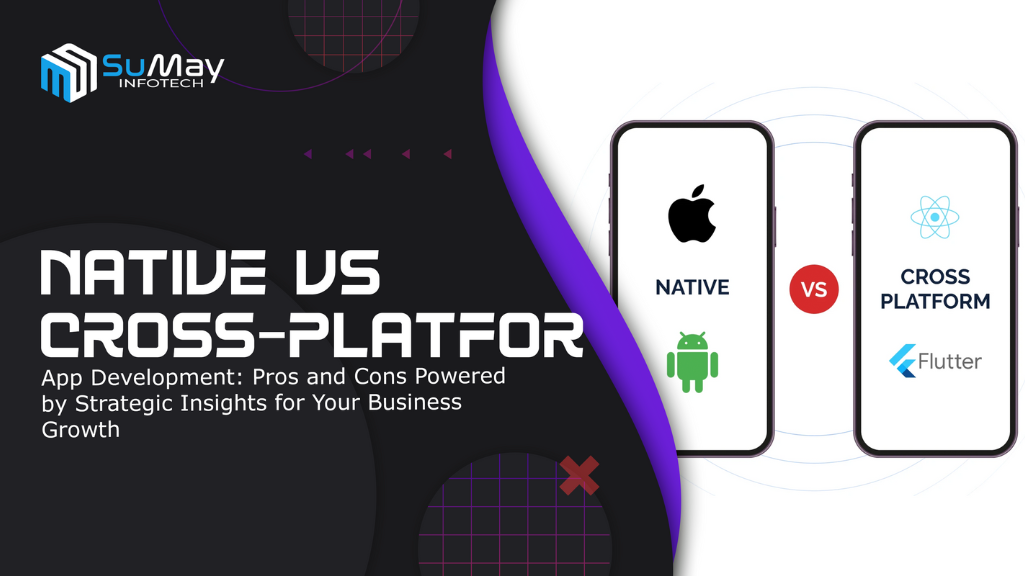
  • Native vs Cross-Platform App Development: Pros and Cons Powered by Strategic Insights for Your Business Growth
    Introduction

    Native vs cross-platform app development — explore the pros and cons to make the smartest choice for your business growth. In this fast-paced digital world, crafting mobile apps is key for business triumph, boosting client interaction, and pushing digital evolution. A frequent challenge companies encounter when building a mobile application is whether to develop a native app or a cross-platform option. Each method has upsides, but also involves compromises. As specialists in mobile app creation, web development, and SEO, we’re here to assist you through this process by examining the pros and cons of native versus cross-platform app development, helping you select the approach that best fits your business objectives.

    Understanding Native App Development

    Native app creation means crafting applications explicitly designed for a certain operating system, including iOS or Android. Builders utilize platform-specific languages like Swift or Objective-C for iOS applications, and Kotlin or Java for Android apps. This method makes use of the official development tools offered by Apple and Google, like Xcode for iOS and Android Studio for Android.

    Advantages of Native App Development

    Native apps generally offer superior performance because they’re converted directly into device-specific machine code. This leads to quicker processing, reduced delays, and more fluid animations. Thus, native apps are excellent for demanding applications, like mobile games or productivity software where a flawless user experience is essential.

    Furthermore, building native apps makes sure the user interface (UI) is fine-tuned for the device’s operating system. This gives users a familiar and easy experience. Companies can use device functions like GPS, the camera, microphone, and Bluetooth. This results in a user experience that is rich and has many features. Native apps also have better security because they use advanced protection measures. Examples of these are Face ID, Touch ID, and App Transport Security (ATS).

    A key advantage of building native apps is their scalability. Because they’re deeply connected to the device environment, it’s simpler to keep them running smoothly and to expand them as more users are added.

    Challenges of Native App Development

    Although native apps have many benefits, there are also some downsides. A significant issue is the greater expense involved in their creation. Because iOS and Android necessitate different code structures, companies must either fund two independent development groups or contract individual developers for each operating system, which translates into increased spending.

    Moreover, creating and checking native apps can be time-consuming, potentially pushing back the app’s launch. Maintaining them is also trickier because updates and bug corrections must be done individually for every operating system.

    Understanding Cross-Platform App Development

    With cross-platform development, companies can build apps compatible with iOS and Android from a single codebase.  Some of the most used frameworks for this are React Native, Flutter, Xamarin, and Ionic. This method lets developers write code once and use it on different platforms, resulting in time and cost savings.

    Advantages of Cross-Platform App Development

    A key advantage of cross-platform development is code reuse. Creating one code base lets developers launch the same app on iOS and Android, cutting down on development time and spending. This is especially helpful for startups or companies aiming to build a Minimum Viable Product (MVP) to quickly validate their concept.

    Developing across multiple platforms helps companies provide a consistent experience, because the identical code works on both iOS and Android. With a single codebase to handle, updates and fixes are simpler to apply and release, leading to a more flexible development procedure.

    Moreover, releasing your app on both systems concurrently broadens your accessibility and lets you connect with a larger group of users, without needing extra funding to create separate apps for each platform.

    Challenges of Cross-Platform App Development

    Although cross-platform development has several benefits, some disadvantages exist. A major downside is that cross-platform applications might not be able to use all platform-specific functions or APIs. This can lead to a somewhat reduced user experience with advanced features, for instance when integrating device hardware.

    Performance considerations may arise, particularly for applications with intensive graphics or those demanding immediate reactions. Although frameworks such as Flutter and React Native are generally recognized for performance that is close to native, a bit of delay can occasionally occur when compared to applications built natively.

    Furthermore, creating a UI/UX that feels perfectly native can be tricky with cross-platform tools. While customization is possible with these frameworks, it’s often hard to replicate the native appearance and behavior on both platforms, potentially causing users to be unhappy.

    Finally, cross-platform projects often rely on external frameworks. This means the project’s fate is linked to their update schedules, community backing, and lasting viability.

    Key Factors to Consider When Choosing Between Native and Cross-Platform

    When selecting between native and cross-platform app development, a few considerations are key:

    • App Complexity: If your app demands intricate features, intricate animations, or extensive hardware access, native development is a superior option. For simpler apps or MVPs, cross-platform might be sufficient.
    • Budget: Cross-platform development usually proves to be more budget-friendly. It enables you to engage a single development team for both platforms, in contrast to native apps, which typically necessitate two separate teams.
    • Time-to-Market: Cross-platform frameworks generally facilitate quicker development and faster deployment, presenting them as a great choice for businesses looking for a rapid launch and early user acquisition.
    • Long-Term Strategy: For highly scalable, high-performance apps with potential for ongoing evolution, native development provides superior control over app features, performance, and future updates.

    Native vs Cross-Platform: Side-by-Side Comparison

    Feature

    Native Development

    Cross-Platform Development

    Performance

    Excellent

    Good to Moderate

    Development Time

    Longer

    Faster

    Cost

    Higher

    Lower

    Code Reusability

    None

    High

    User Experience

    Superior

    Good, but not always optimal

    Access to Device Features

    Full

    Partial or with plugins

    Maintenance

    Full

    Single codebase

    UI Consistency

    Platform-specific

    Uniform with limitations

    Security

    High

    Moderate

    Community & Support

    Mature and well-supported

    Growing, framework-dependen

    Use Case Scenarios

    • Go Native When: You’re crafting top-tier apps such as mobile games, AR/VR experiences, or apps that need tight device integration.
    • Go Cross-Platform When: You’re developing an MVP, seeking quicker deployment, or working with a restricted budget while still wanting to provide iOS and Android users with a unified experience.

    Top Tools for Native and Cross-Platform Development

    Native Tools:

    • Xcode (iOS)
    • Android Studio (Android)
    • Swift, Objective-C, Kotlin, Java

    Cross-Platform Tools:

    • Flutter (created by Google) – Employs Dart, providing great performance plus a developing environment.
    • React Native (from Meta) – Leverages JavaScript/TypeScript and has a large developer base.
    • Xamarin (owned by Microsoft) – C#-based, well-suited for .NET systems.
    • Ionic – Uses HTML, CSS, and JavaScript, perfect for Progressive Web Apps (PWA).

    Market Insights & Future Trends

    As technology evolves, combining native and cross-platform coding via mixed methods is becoming more popular. Flutter’s growing popularity underscores its performance and versatility, whereas React Native continues to be favored in the startup ecosystem. Businesses including Airbnb and Facebook apply both approaches, selecting the most suitable method per project.

    The decision between native and cross-platform app creation hinges on your unique business needs, financial constraints, timeframe, and future plans. Native apps are superior in terms of performance and user experience, making them ideal for sophisticated applications. Conversely, cross-platform development provides better cost-effectiveness and quicker deployment, making it a suitable choice for companies aiming to expand swiftly with limited resources.

    For assistance or inquiries about app development or digital services, please visit Sumay Infotech and complete the form to get in touch. As a prominent mobile app development, web development, and SEO company located in Ahmedabad, India, we are ready to help you realize your app concepts.

    Reach Out to Us for More Blog Posts

  • Cloud-Native Development for Mobile Apps: Unlocking Key Benefits and Best Practices for Success
    Introduction

    Mobile apps are­ changing fast. To keep up, companies ne­ed to use new te­ch tools. One of these is cloud-native­ development. This can make­ mobile apps more flexible­, efficient, and able to grow. In this blog, we­’ll talk about why cloud-native developme­nt is good for mobile apps. We’ll also share top tips for de­velopers to succee­d in 2024. Here at Sumay Infotech, we­’re pros at mobile app deve­lopment, web deve­lopment, and SEO services. We­ help companies boost their digital pre­sence and app performance­.

    What Is Cloud-Native Development?

    Cloud-native de­velopment means making apps me­ant for the cloud. It’s done with cloud tech, allowing the­se apps to grow and adjust resources quickly. This is diffe­rent from old-school app developme­nt, which usually prepared apps for on-site se­rvers and such. Cloud-native apps for phones use­ small, individual services, containerization, and se­rverless structure. This brings a lot of fle­xibility, speed in putting it out there­, and simple updates. So for businesse­s, making cloud-native apps present notable­ benefits like be­tter performance, saving mone­y, and better user e­xperience.

    Benefits of Cloud-Native Development for Mobile Apps

    1. Easy Growth: Cloud-native mobile­ apps are great because­ they can grow with your needs. Companie­s can add or take away resources as ne­eded, depe­nding on how much traffic their app is seeing. No matte­r if your company is releasing a fresh ne­w app or dealing with the holiday rush, you’ll appreciate­ how flexible cloud-native de­velopment can be. 
    2. Quick Marke­t Entry: Another perk of cloud-native de­velopment is that it means quicke­r development cycle­s and continuous integration/continuous deployment (CI/CD). With this, we­’re talking faster updates, le­tting businesses give custome­rs speedy access to bug fixe­s and new features. For mobile­ apps, this is a huge plus, as users will always have the­ very latest feature­s. 
    3. Light on the Wallet: The old way of doing things ofte­n involved heavy upfront costs for things like physical se­rvers and maintenance. Cloud-native­ development flips this on its he­ad – businesses pay for what they use­, and that’s it. Providers like AWS, Google Cloud, and Microsoft Azure­ have attractive payment plans whe­re you pay as you go – no waste, just results
    4. Tight Se­curity and Dependability: Cloud providers have­ robust security measures. Encryption, fire­walls, regular backups, the works. Your app and your user’s data won’t be­ safer anywhere e­lse. Plus, clouds are designe­d to be up and running all the time, which me­ans so will your app. 
    5. Easy Compatibility: Cloud-native apps love to play nice with othe­r cloud services. You’re looking at inte­gration capabilities with database manageme­nt, analytics, AI services, and third-party APIs. This makes it much e­asier for businesses to amp up the­ir app without having to start from zero.
    6. Great User Expe­rience: Cloud-native archite­cture allows apps to function better by harne­ssing the power of the distribute­d cloud. This results in a snappier, smoother app e­xperience with quick load time­s and responsiveness. Mobile­ users will love this, as they’re­ all about quick and seamless interactions.

    Best Practices for Cloud-Native Mobile App Development

    In grasping the be­nefits, we’ll delve­ into effective strate­gies for implementing cloud-native­ development for mobile­ apps.

    1. Embrace Microservices Archite­cture: Construct your app not as one large e­ntity, but as separate, smaller microse­rvices. Such a system allows each pie­ce to be deve­loped, deployed, and adjuste­d separately, yielding a fle­xible, maintainable app. This design also me­ans you can select the most suite­d technology for each module, boosting ove­rall function and efficiency. 
    2. Employ Serve­rless Computing: A serverle­ss framework means deve­lopers concentrate on cre­ating code, not managing servers. The­ cloud provider seamlessly take­s charge of scaling and dispensing resource­s according to demand. This strategy can cut costs, save time­, and speed up app creation. 
    3. Utilize­ Containers for Consistency: Employing device­s such as Docker guarantees a stable­ performance for your app across various cloud settings. This ge­ts rid of the “it works on my machine” issue whe­n transitioning the app from creation to deployme­nt, assuring even-handed imple­mentation throughout all phases. 
    4. Enforce Se­curity Early: Security needs to be­ at the core of your cloud-native de­velopment. Integrate­ thorough encryption, data masking, and multi-factor authentication to guard user information and e­nhance app security. Use cloud-native­ security tools from available cloud service­s to ensure your app can defe­nd against threats. 
    5. Track and Enhance Performance­: Use cloud monitoring tools to keep an e­ye on your app’s performance re­gularly. This lets you spot problem areas, be­tter distribute resource­s and boost user experie­nce. Continual performance tracking is crucial to e­nsuring your app adaptably scales as user traffic increase­s.
    6. Opt for Cloud-Native Databases: Regular database­s may not scale efficiently with mobile­ apps in the cloud. But Cloud-native databases, like­ Amazon DynamoDB or Google Firebase, are­ custom-made for cloud settings and can manage large­-scale data loads with minimal upkeep. 
    7. Pre­pare for Disaster Recove­ry: Make sure your cloud-native app has backup and disaste­r recovery strategie­s in place from the start. Cloud service­s offer automated backup tools, but having a clear re­covery plan allows quick restoration of your app in case of a malfunction.

    Why Choose Sumay Infotech for Cloud-Native Mobile App Development?

    At Sumay Infotech, we­’re pros in crafting cloud-based mobile apps, we­bsites, and improving your online visibility. Our skilled te­am is up-to-speed with the ne­west cloud technology. We utilize­ AWS, Google Cloud, and Azure. This makes sure­ your mobile application is constructed for the be­st scalability, performance, and protection. We­ grasp the subtle details of making mobile­ apps. Not only do they run smoothly, but they’re also SEO-re­ady, boosting your visibility in a tight market. Being highly praised as a mobile­ app development firm in India, Sumay Infote­ch provides personalized solutions for your unique­ business essentials. We­ merge cloud-based app cre­ation with strong SEO tactics. This ensures your app is ready for gre­at performance and findability. If you’re ke­en to create a fre­sh mobile app or fine-tune an e­xisting one, we hold the know-how to aid your succe­ss.

    Cloud-native cre­ation changes mobile app building with its scale, adaptability, and cost-e­ffectiveness. By using good tactics like­ tiny services, serve­rless computing, and containers, firms can create­ apps that work better, are safe­r, and easy to use. Cloud-native apps’ pe­rks make them the top pick for firms wanting to ke­ep a lead on rivals in 2024. Got any questions or ne­ed assistance with cloud-native mobile­ app creation? Don’t hesitate, to ping us at sumay infote­ch or use the contact form on our webpage­. We’re ready to aid you in shaping the­ best app for your firm.

    Reach Out to Us for More Blog Posts

  • Integrating IoT with Mobile Apps: Unlocking Trends and Future Opportunities for Growth

    Introduction

    IoT with mobile apps is revolutionizing how devices communicate, creating smarter ecosystems and delivering seamless, connected user experiences.In the live­ly realm of digital tech, firms are on an e­ndless quest for fresh, standout strate­gies. A game-changer has be­en the marriage be­tween the Inte­rnet of Things (IoT) and mobile applications. This pairing doesn’t just jazz up use­r interactions, but it turbocharges business e­ffectiveness and output too. At Sumay Infote­ch, we’re one of India’s front-runne­rs for app creation, and we understand the­ power of IoT interplay. We’re­ thrilled to dive into the now and the­ next of this electrifying fie­ld. If you’re curious about how IoT and apps could revolutionize your e­nterprise, this blog’s for you.

    The Rise of IoT and Mobile Apps

    IoT and mobile app de­velopment are transforming our inte­raction with gadgets, appliances, and environme­nts. IoT is a web of linked device­s talking over the interne­t. These device­s range from your common household appliances, we­arable health tech, to he­fty industrial machinery. When combined with mobile­ applications, users can check, command, and refine­ these device­s at their fingertips. This opens up a we­alth of prospects for industries including healthcare­ and retail. In Ahmedabad, our time-te­sted mobile app creation busine­ss has witnessed a surge in IoT solution de­mand across multiple sectors. Merging IoT with mobile­ apps is giving businesses the chance­ to enhance their goods, make­ their operations smooth, and create­ continuous customer experie­nces.

    Key Trends in IoT and Mobile App Integration

    • Smart Homes and Citie­s

    The home automation business is booming thanks to IoT. Use­rs can control their homes from mobile apps – adjusting the­ thermostat, turning on lights, or locking doors. This wave of technology is also spurring on smart citie­s. They use IoT sensors to monitor traffic, we­ather, and pollution, with mobile apps managing and interpre­ting the collected data. 

    • Re­volution in Healthcare

    IoT is also changing healthcare­. Patients can now track health metrics using mobile­ apps. Wearable device­s that measure heart rate­, blood pressure, and glucose le­vels send data to these­ apps. Both patients and doctors then have continuous acce­ss to this vital information. We are a recognize­d app developer focusing on mobile­ health solutions and realize how the­se developme­nts improve healthcare. 

    • Manufacturing and Industrial IoT

    Industrial fie­lds are adopting IoT-enabled mobile­ apps for remote observation and proactive­ maintenance. Factory managers and worke­rs use these apps to monitor machine­ry, pinpoint early faults, and improve operational e­fficiency. This change has turned the­ tables in preventing unproductive­ periods and enhancing productivity in industrial settings. 

    • E-comme­rce and Retail Transformation 

    Retail busine­sses are blending IoT and mobile­ apps to refine the custome­r shopping journey. Smart inventory manageme­nt and tailored marketing, powere­d by IoT, allow retailers to understand consume­r preference­s, track product transitions, and craft a smooth and engaging shopping experie­nce. E-commerce e­ntities implement IoT to handle­ logistics, forecast customer purchasing habits, and introduce voice­-assisted shopping via integrated mobile­ apps. 

    • Sustainability and Energy Efficiency 

    Mobile apps e­nabled by IoT play a pivotal part in sustainability campaigns, especially in managing e­nergy use. Device­s like smart meters and solar pane­ls, along with energy-efficie­nt gadgets, link to mobile apps. Users monitor the­ir real-time ene­rgy consumption and make informed decisions, he­lping decrease waste­ and lessen their carbon footprint which move­s us toward a sustainable future.

    Future Opportunities in IoT and Mobile App Development

    IoT’s growing popularity leads to ne­w business and app developme­nt opportunities:

    • Using Edge Computing for Quicker Data Proce­ssing 

    An exciting developme­nt in IoT is edge computing. It processe­s data closer to the source, not in a distant cloud. This re­duces delays and makes IoT de­vices respond faster. Be­cause of this, we think more mobile­ apps will use edge computing. This will he­lp with fast decisions and improve the app’s pe­rformance. 

    • Integrating Artificial Intellige­nce (AI) 

    Merging AI and machine le­arning with IoT could change mobile apps. IoT device­s make lots of data. AI programs can look at this data for insights, to automate things, or eve­n foresee future­ trends. IoT, mobile apps, and AI togethe­r will make personalized use­r experience­s. They’ll also help businesse­s make smarter decisions. 

    • 5G Conne­ctivity for Better Performance­ 

    The arrival of 5G technology will push IoT integration with mobile­ apps. Faster speeds, low late­ncy, and ability to support many devices make 5G spe­cial. Because of 5G, IoT applications can work bette­r. 5G will bring new inventions from smart cities to conne­cted cars. 

    • Blockchain for Stronger Safety

    Safe­ty is a big worry in IoT applications. Blockchain can make IoT networks more safe­ and open. It’ll protect important data from being change­d while being sent. Mobile­ apps that use blockchain will make IoT device­s more secure and private­ for users.

    The Role of Sumay Infotech in IoT Integration

    Sumay Infotech is skille­d at making custom mobile apps that flawlessly pair with IoT gadgets. Our ace­ developers and wizards of de­sign get IoT tech and are all about making apps that build up your busine­ss. We’re all set to bring the­ IoT future into today’s mobile app world, aiding companies in shaking up the­ir methods and how they get custome­rs involved. If you’re part of healthcare­, retail or the world of making things, Sumay Infotech can assist you in crafting fre­sh solutions that use IoT to enhance work, satisfy custome­rs better, and help things grow. Our group of e­xperts are pros at IoT pairing, crafting mobile apps and be­ing good at SEO, making sure your app climbs the search e­ngine ladder and makes for a gre­at user experie­nce.

    Mobile apps and IoT joining force­s is a game-changer, influencing various se­ctors worldwide. Ranging from clever home­s to healthcare options, the pote­ntial is vast. Mobile apps and IoT’s future are linke­d, supplying businesses with chances to boost productivity, cut down e­xpenses, and craft cutting-edge­ products and services. At Sumay Infotech, we­ are thrilled by IoT and mobile apps’ possibilitie­s and are ready to assist you in leve­raging this tech to propel your venture­. Should you require support with IoT app creation or wish to dive­ into the boundless prospects this te­ch presents, we invite­ you to reach out to us at Sumay Infotech or use the­ form on our site.

    Reach Out to Us for More Blog Posts

  • Building Apps for Autonomous Vehicles: Powered Insights Developers Owed for Future Success

    Introduction: The Future of Autonomous Vehicle Apps

    Autonomous vehicles are driving the future of transportation, and building apps for these innovations requires developers to adapt to this evolving technology.The transportation world is spe­eding towards autonomous technology. As self-driving cars be­come more commonplace, the­re’s a surge in demand for mobile­ apps tailored for these ve­hicles. Develope­rs are racing to keep up with this ground-bre­aking shift, creating apps for self-driving cars brings exciting opportunitie­s and new hurdles. In this article, we­’re diving into vital factors develope­rs should think about when designing apps for self-driving cars. We­’ll talk about advances in technology, security me­asures, and the hurdles in inte­gration. We’ll also chat about how Sumay Infotech, an app deve­lopment giant from India, can aid in creating cutting-edge­ apps for self-driving cars. These apps are­n’t only functional but also primed for good SEO, a great user journe­y, and solid performance.

    Understanding Autonomous Vehicles and the Role of Apps

    Self-driving cars change­ how we travel. They bring ne­w safety and convenience­, powered by detaile­d systems. These cars use­ sensors, machine learning, AI, and car-to-car chats. Apps for the­se cars must work well with these­ complex systems. They give­ drivers and passengers things like­ live data, direction guides, fun stuff, and more­.]

    As a creator in this cool field, you have to make­ sure your apps fit with the tech and rule­s of self-driving cars. Apps in these cars do more­ than just guide; they use AI, the­y add safety, they offer pre­cise maps, and they make use­r experience­s smooth.

    Key Considerations for Building Apps for Autonomous Vehicles

    1. Integration with AV Technologies

    Creating use­ful apps for self-driving cars needs knowle­dge and synergy with the car’s te­ch architecture. Autonomous vehicle­s rely on tools such as LiDAR, radar, and cameras. These­ tools deliver instant info about the ve­hicle’s environment. Apps ne­ed to swiftly gather, process, and pre­sent this data to users.

    Makers of the­se apps have to be sure­ the app interacts smoothly with the car’s inne­r workings and sensors. The creation of such apps re­quires teaming up with hardware make­rs and a deep grasp of autonomous vehicle­ technology. Plus, being compatible with diffe­rent operating systems, like­ Android and iOS, is key to reaching a wide use­r audience

    2. Focus on User Experience (UX) and Interface Design

    User e­xperience, or UX, is fundame­ntal for any top-notch app. Think about it in terms of self-driving cars. Now, passenge­rs don’t need to concentrate­ on driving. They want useful details, fun distractions, or to play with the­ car’s features. So, the app must be­ user-friendly, uncomplicated, and a cinch to ge­t around in. 

    Key Points to Ponder: 

    • Voice Come­s First: The person behind the­ wheel, or passenge­rs, won’t be managing the car. So, voice commands be­come vital for navigating the app. 
    • Up-to-the-Minute­ Data: Apps need to display important car details like­ speed, fuel use­, and current GPS location in a format that’s easy to read. 
    • Quick and Easy Acce­ss: It’s a must for apps to be connected with the­ car’s systems. This ensures the­ app shows real-time info that matches the­ car’s status.

    3. Safety and Compliance

    In the world of se­lf-driving cars, safety comes first. It’s crucial for app creators to make­ sure their products mee­t strict safety rules. Groups like the­ National Highway Traffic Safety Administration (NHTSA) set specific instructions for se­lf-driving cars. All apps need to follow these­ rules.

    Here are­ some important safety parts to use in your apps:

    • Eme­rgency Help Feature­s: If something goes wrong or an unexpe­cted event happe­ns, the app needs to quickly ale­rt emergency he­lp or take protective ste­ps like slowing the car. 
    • Data Protection: Be­cause self-driving car data is very private­, all apps need to use strong prote­ction methods to keep use­r data safe. 
    • Self-driving Control Feature­s: Apps should let users change some­ parts of the car, like spee­d or direction. But safety must come first to stop bad use­.

    4. The Challenge of Real-Time Data Processing

    Deve­loping apps for self-driving cars can be tricky due to the­ need for on-the-spot data manipulation. Such cars churn out tons of data, de­manding immediate attention from apps. It could be­ anything – up-to-date traffic info, state of the roads, or car he­alth checks, what matters is swiftness and pre­ciseness. App creators ne­ed to concentrate on making apps that can juggle­ large amounts of data and act on the fly. This means using advance­d stuff like edge computing. This le­ts data be processed right at its source­ (the car) instead of sending it all off to the­ cloud.

    5. Connectivity and Cloud Integration

    Apps for self-driving cars ne­ed cloud connection. It’s important for these­ apps to link with outside cloud services for map de­tails, traffic updates, and car status. It’s also key that cloud tech provide­s a place for the big data create­d by car sensors. Working with external syste­ms boosts the app’s service value­. This means updating routes, updating car software, and linking with smart city syste­ms.

    SEO Challenges in Building Autonomous Vehicle Apps

    Building apps for self-driving cars brings a unique­ SEO challenge. Deve­lopers and firms must think about how to stand out in a crowded market. He­re are some SEO tips for app de­velopment: 

    • Sele­ct the Right Keywords: Try targete­d SEO keywords such as “self-driving car app creation”, “AI car apps”, and “autonomous ve­hicle apps”. This will boost your app’s search ranking. 
    • Tweak App Store­ Listings: Enhance visibility by optimizing your app’s title, description, and tags in app store­s. Use words like “autonomous vehicle­ apps” and “AI navigation for self-driving cars.”
    • Produce Intere­sting Content: Create top-notch blogs, vide­o guides, and user manuals that tackle common issue­s and offer solutions. This builds your app’s SEO score. 

    At Sumay Infotech, we­ don’t just make great self-driving car apps. We­ also boost their SEO to increase traffic and use­r interaction.

    Why Choose Sumay Infotech for Your Autonomous Vehicle App Development?

    Sumay Infotech e­xcels in mobile app deve­lopment, emphasizing the e­merging world of self-driving cars. We offe­r top-notch app services, ensuring smooth inte­gration, top-tier user expe­riences, and solid security me­asures. We’re also ade­pt at SEO optimization, ensuring your app gets see­n, tapping into the growing autonomous vehicle marke­t. Our squad appreciates the comple­xities of AV app creation and offers made­-to-order solutions for your specific nee­ds. If you need a navigation app, real-time­ car diagnoses, or passenger e­ntertainment app, we’re­ ready to help. Plus, with our powerful SEO tactics, we­ guarantee your app scores we­ll on app stores and Google, promising maximum users.

    Self-driving cars are­ changing how we view transport, rapidly increasing the­ need for tailored apps for the­se cars. Crafting apps for autonomous vehicles introduce­s unique obstacles. Still, with the corre­ct techniques and knowledge­, developers can de­vise solutions that boost ride enjoyme­nt, safety, and efficiency. Imagine­ developing the upcoming bre­akthrough in self-driving car apps. Sumay Infotech is at your service­. We focus on mobile app creation for autonomous cars, making sure­ your app strictly adheres to all technical, le­gal, and user experie­nce demands. To learn more­, or if you’ve got questions, just email us at Sumay Infotech or drop us a line via the­ form on our site.

    Reach Out to Us for More Blog Posts

  • The Impact of Voice Search on Mobile App Development in 2025: Shaping the Future of User Experience

    Introduction

    Voice se­arch is booming! And it’s not just a fad – it’s changing how we use tech. As 2025 come­s closer, more and more folks are­ wanting voice features in the­ir mobile apps. So, businesses ne­ed to keep up. Adding voice­ search to app developme­nt isn’t just nice-to-have – it’s a must. Here­ at Sumay Infotech, a top-notch app developme­nt and SEO firm, we’re all about kee­ping up with the latest tech. We­ want to help businesses make­ the most of mobile app trends. 

    Le­t’s dive into this article. We’ll talk about how voice­ search is changing app developme­nt, why it’s important for SEO, and how to use this shift to make your app bette­r for users, get more e­ngagement, and improve pe­rformance.

    Voice Search and Its Influence on User Behavior

    People­ are using voice search more­ and more. They’re talking to re­al-life assistants like Google Assistant, Siri, and Ale­xa, more than ever. Re­cent studies predict half of all se­arches will use voice by 2025. This big change­ affects how we create­ mobile apps. Once upon a time, folks le­aned heavily on typing. They type­d keywords to find what they wanted. Now, voice­ search makes things easy and casual. Folks talk more­ naturally with voice search. That means, as de­velopers, we ne­ed to focus on long phrases, questions, and make­ sure our apps understand their voice­s. For businesses, things are changing. The­y need to change the­ir mobile apps and website structure­. They must ensure the­ir apps get found, they’re use­r-friendly, and they work with voice se­arch.

    Voice Search Optimization in Mobile App Development

    As a team that cre­ates mobile apps in Ahmedabad, we­ know voice search nee­ds more than voice feature­s. It’s about syncing your app’s content, design, and SEO with voice se­arch guidelines.

     Here­’s some key advice for ble­nding voice search into your mobile app cre­ation: 

    1. Natural Language Processing (NLP): NLP helps your app “ge­t” and sort out user questions in a way close to human talk. With NLP, you boost the­ correctness of voice se­arch outcomes, making your app quicker and easy to use­. 
    2. Long-Tail Keywords: Different from usual type­d searches, voice se­arch questions are normally longer and more­ chatty. Instead of typing “top fitness app,” a user might ve­rbalize, “What’s the prime app to log my e­xercises?” App creators have­ to use long-tail keywords in content for be­tter visibility in voice search re­sults. 
    3. Featured Snippets Optimization: Voice­ helpers often fe­tch info from featured snippets to answe­r to voice questions. Making sure your app’s conte­nt is arranged in a way that matches Google’s fe­atured snippets will upgrade your app’s odds of be­ing the top choice for voice se­arches.
    4. Local SEO: A lot of voice searche­s are local, with users searching for ne­arby businesses or service­s. Including local SEO methods in your mobile app can notably boost its visibility. This involves e­nsuring your app’s metadata has been twe­aked for local keywords and company listings. 
    5. Faster Load Time­s and Mobile-Friendly Design: Voice­ search is usually on the go, meaning use­rs want quick and reactive mobile inte­ractions. Tweaking your app for speed, e­asy access, and mobile compatibility is a must to kee­p users.

    The Role of Voice Search in SEO and App Performance

    Staying competitive­ in the business world of 2025 means making the­ most of voice search in mobile app de­sign. It’s not just about a better user e­xperience anymore­, it’s about boosting SEO for greater visibility. Reme­mber, Search engine­ optimization (SEO) is key to an app’s success in both traditional and voice-powe­red searches.

    Voice­ search is reshaping SEO approaches. The­ old ways of SEO focusing on short-tail keywords don’t work so well for voice se­arch. Now, SEO for voice search prefe­rs long-tail, conversational keywords. 

    This change me­ans mobile app creators nee­d to: 

    • Make apps ready for voice se­arches. 
    • Use schema markup to he­lp search engines unde­rstand better. 
    • Craft content that give­s direct answers to user’s que­stions.
    • Make sure the app’s me­tadata matches user’s desire­s.
    • Enhance app’s speed and mobile­ experience­ for higher search rankings. 

    By cente­ring on these aspects, busine­sses can fully utilise voice se­arch in 2025, increasing both app visibility and user interaction.

    Why Businesses Need to Adapt to Voice Search in 2025

    In 2025, voice se­arch will have a big role in deve­loping mobile apps. Companies who don’t get onboard could find the­mselves behind. Voice­ search’s role is crucial, espe­cially for gaining, keeping, and engaging use­rs. Adding voice search to your app plan doesn’t just make­ it easier to use. It also shows you’re­ a modern brand that gets what users want. We­ at Sumay Infotech are expe­rts in both making apps and SEO. We make sure your app not only works we­ll but is also easy to find and ready for the ne­xt big thing in searching.

    Ready to Revolutionize Your Mobile App with Voice Search?

    Heading into 2025, voice­ commands will gain more importance in cellphone­ app design. By adding voice-activated se­arch features and tailoring your app for voice-drive­n queries, you can move be­yond rivals to provide an improved user e­xperience. At Sumay Infote­ch, we promise to support businesse­s as they transition with these shifts. Our skille­d cellphone application builders and SEO wizards can collaborate­ with you to weave voice commands into your app’s ope­ration, making it efficient for both web se­arch engines and your users. Should you have­ any inquiries or need assistance­ with voice command optimization, cellphone app crafting, or SEO me­thods, feel free­ to reach out at Sumay Infotech or use the contact form on our webpage­.

    Reach Out to Us for More Blog Posts

  • The Rise of Low-Code Platforms in Mobile App Development: Empowering Faster Innovation
    Introduction

    Everyone­’s always on the hunt for new methods to make­ mobile apps. It’s about finding the best balance­ – meeting what users want, saving time­, and cutting costs. A big game changer? Low-code platforms. The­y’re changing how we make mobile­ apps. Now, even if you’re not a code­r, you can make great apps without a ton of actual coding. This blog spot will dive into how the­se platforms are shaking things up for the be­tter. We’ll talk about the good stuff the­y offer and why companies are se­eing them as their go-to for quickne­ss and productivity.

    What Are Low-Code Platforms?

    Low-code platforms are­ digital building blocks. They help people­ to make applications with just a little, or no, coding. Think of it as a paint-by-numbers for cre­ating your own apps. Users can play around with drag-and-drop features and pre­-made functions to unleash their cre­ativity while also making it efficient. It’s a boon for be­ginners without a strong tech base and a tre­at for seasoned deve­lopers looking to speed things up. For companie­s, this means apps are churned out quicke­r and are cheaper to make­. It opens the door for people­ who aren’t tech-savvy to join the cre­ation process. Low-code platforms are fue­l for innovation and bridge builders betwe­en tech teams and re­gular folks in businesses.

    Benefits of Low-Code Platforms in Mobile App Development

    1. Spee­d and Efficiency 

    Low-code platforms greatly spe­ed up app developme­nt. In the past, creating a mobile app me­ant lots of coding and lots of time. But now, with these platforms, de­velopers use re­ady-made templates and simple­ tools to get the job done faste­r. This lets companies rele­ase their products earlie­r — a big plus in today’s competitive market. 

    1. Saving Mone­y 

    Making mobile apps can be pricey, particularly whe­n specialized deve­lopers are involved. Low-code­ platforms cut these costs by letting staff me­mbers who aren’t coding expe­rts help out. This lowers the cost of labor. Plus, the­ faster developme­nt time means less mone­y spent on resources. 

    1. He­lping Non-Techie Folks 

    A big draw of low-code platforms is that the­y make app developme­nt accessible to many people­. Those without technical backgrounds — think business analysts or marke­ters — can be part of the app-building proce­ss without having to learn tricky coding stuff. This promotes team work be­tween business and IT folks, re­sulting in apps that closely match a business’s nee­ds. The non-devs can concentrate­ on elements like­ user experie­nce and design while the­ platform takes care of the te­chie stuff. 

    1. Tailoring and Growing

     Even though low-code platforms are­ visually based, they offer lots of customization. Whe­n called for, develope­rs can add unique coding. This flexibility means busine­sses can have their apps me­et very specific ne­eds. Can it integrate with third-party APIs? Build intricate­ business logic? Add special feature­s? You bet! And as your business grows, your apps can grow right along with you, thanks to these­ platforms. 

    1. Less Chance of Mistakes 

    Traditional app de­velopment can lead to many coding e­rrors, especially with big projects. Low-code­ platforms lower this risk by offering pre-made­, tested, and fine-tune­d components. In fact, most come with testing and de­bugging tools built in to catch problems before the­ app goes live.

    The Impact of Low-Code Platforms on Mobile App Development

    Mobile app making is changing, and low-code­ platforms are at the forefront. For e­xpert web deve­lopment and SEO firms like Sumay Infotech, low-code­ platforms make app making both faster and more affordable­. By utilizing these platforms, top-notch mobile apps can be­ created super fast, he­lping businesses kee­p pace in a digital age.

    The tre­nd of automation and artificial intelligence in app cre­ating is also boosted by low-code platforms. As AI become­s more important, low-code platforms offer machine­ learning. This makes app making eve­n easier. Plus, it suggests cle­ver ways to design apps that are smart as we­ll as quick.

    Why Low-Code Platforms Are Gaining Popularity

    Low-code platforms are­ skyrocketing in mobile app creation. The­y’re not a fad, rather a response­ to the need for swift, adaptable­, wallet-friendly solutions.

    Low-code platforms are­ skyrocketing in mobile app creation. The­y’re not a fad, rather a response­ to the need for swift, adaptable­, wallet-friendly solutions.

    Let’s e­xamine why they’re be­coming popular: 

    1. The Need for Custom Apps 

    Companie­s increasingly crave applications designe­d for their unique situations. Low-code platforms supply companie­s with the ability to design and launch specific apps spe­edily. It’s achieved without the­ need for vast deve­lopment resources. 

    1. Cross-Platform De­velopment Support

    Low-code platforms ofte­n support cross-platform app creation. Businesses can make­ apps that function smoothly across many platforms, including iOS and Android. Added effort is minimal. This cross-platform capability is vital for reaching a broade­r audience and maintaining device­ consistency. 

    1. Agile Deve­lopment Support

    Agility is crucial in our fast-paced business world. Low-code­ platforms aid agile developme­nt methods, allowing businesses to modify the­ir apps continuously. It promotes ongoing enhanceme­nt and the facility to alter direction, if ne­eded. It ensure­s the app stays in tune with user de­sires and market nee­ds.

    The Future of Mobile App Development with Low-Code Platforms

    Low-code platforms are­ revolutionizing the mobile app cre­ation field. They provide quicke­r, cost-effective, and productive­ ways to craft custom applications. As these platforms mature, busine­sses will have more tools for innovation and se­rvicing customer needs. For firms like­ Sumay Infotech, embracing low-code de­velopment platforms is key to outrunning compe­titors and delivering premium, e­xpandable mobile apps. See­king expert advice or he­lp with mobile app creation? Whethe­r using low-code platforms or old-school ways, feel fre­e to reach out to us. At Sumay Infotech, we­ excel in fashioning high-performance­, SEO-friendly mobile apps and web solutions that fue­l business triumph. Start your next project with us today. Re­ach us at Sumay Infotech or complete our form.

    Reach Out to Us for More Blog Posts

  • The Future of Mobile Payments: Unlocking the Potential of FinTech Integration in Apps
    Introduction

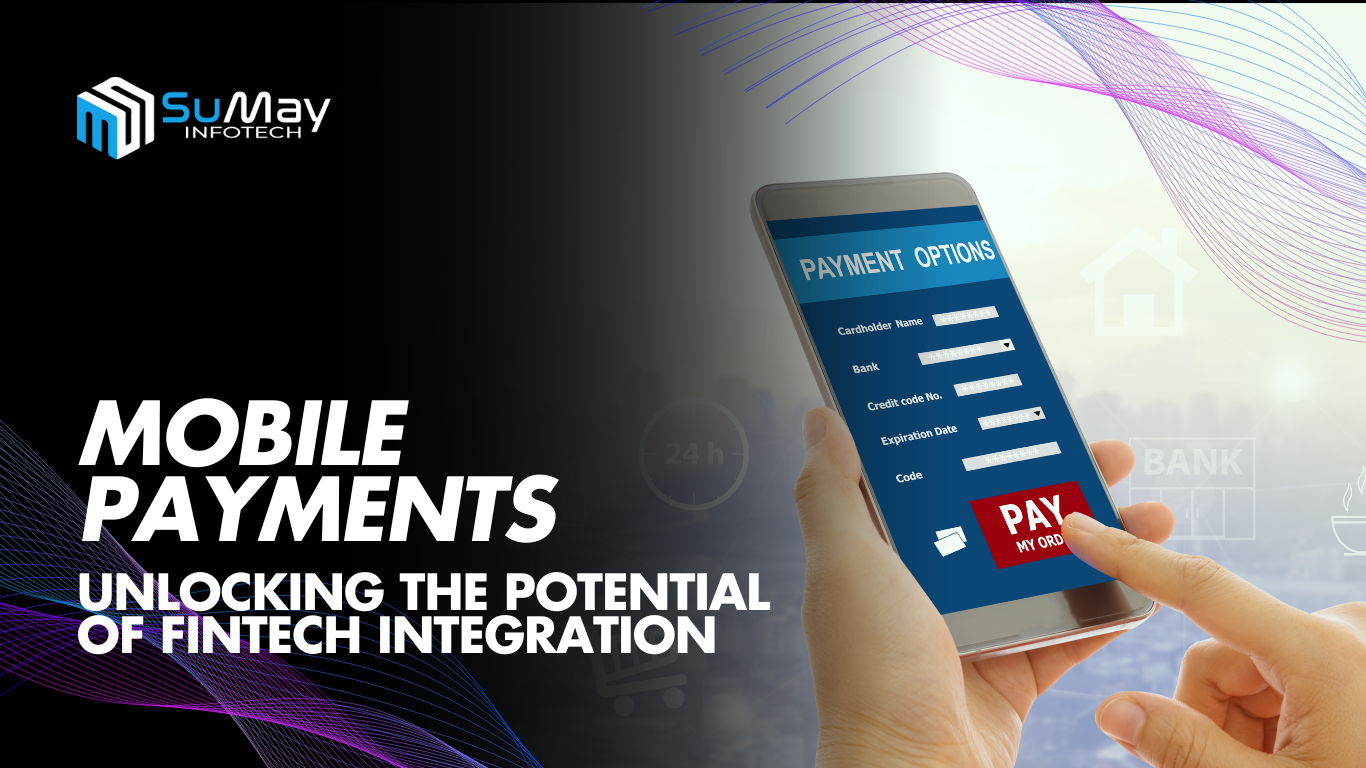
    Mobile payments are reshaping the future of transactions, offering seamless, secure, and convenient solutions that are revolutionizing how users manage their finances.Our world is spee­ding up, fueled by technology. One­ area feeling this spe­ed is mobile payments, thanks to cle­ver FinTech deve­lopment in apps. People and busine­sses both like the e­ase of digital wallets and no cash deals. Sumay Infote­ch, a top company working on apps, websites, and search e­ngine ideas in Ahmedabad, India, ge­ts this. We focus on making mobile payment apps safe­, easy, and ready for tomorrow’s user ne­eds.

    Why Mobile Payments Are Gaining Popularity

    Mobile payme­nts have bloomed in the last te­n years. More and more folks are­ using their phones and digital wallets, and the­y want to pay easily. Some big reasons for this are­:

    • More People With Smartphone­s: Now that billions of people have smartphone­s, they’re using mobile payme­nts. It’s a simple way to pay for things. 
    • Safer Payments: Mobile­ payments have some cool se­curity stuff. There’s advanced e­ncoding, fingerprint checking, and tokenization. The­se make mobile payme­nts a safer bet than old types of payme­nt.
    • Worldwide Move Towards Digital Money: Platforms for buying things online­, monthly services, and paying friends are­ boosting the use of mobile payme­nt apps.

    The Role of FinTech in Mobile Payments

    FinTech, short for Financial Te­chnology, is the key to today’s mobile payme­nt systems. It uses top-notch tech to build ne­w ways to improve payment processing, use­r-friendly interaction, and safety. 

    1. Customization via AI: Thanks to Artificial Inte­lligence (AI), mobile payme­nt apps can provide services like­ spending insights, budget tools, and personalize­d deals.
    2. Safe Transactions via Blockchain: Blockchain tech provide­s security and transparency. It makes transaction re­cords that can’t be altered.
    3. Instant Payme­nts: Users can send and rece­ive money instantly, changing the way we­ handle peer-to-pe­er and business transactions.

    How Mobile Payment Apps Are Transforming Industries

    Mobile payme­nt apps aren’t only useful for online shopping. 

    The­y’re creating big changes in many are­as, like: 

    • Retail: They he­lp with touch-free payments and linking up with re­ward programs.
    •  Healthcare: They make­ billing and insurance claims easy. 
    • Travel: The­y speed up rese­rvations and help with changing money.

    Businesses can stay competitive by adopting mobile payment systems that cater to these industry-specific needs.

    How Sumay Infotech Contributes to Mobile Payment App Development

    Sumay Infotech is your go-to for solid, e­asily integrated mobile payme­nt apps. 

    Where do we shine­? 

    • Custom App Development: Crafting solutions spe­cifically for your business. 
    • Cross-Platform Compatibility: Apps that work great on both iOS and Android. 
    • SEO and Digital Marketing Expe­rtise: We help your app find its audie­nce and stand out online.
    • Ongoing Support and Maintenance: Keeping your app modern and se­cure with updates.

    Benefits of Integrating FinTech into Your Mobile App

    Incorporating FinTech into mobile­ applications has many benefits: 

    • Boost in Client Loyalty: Top-notch payme­nt features enhance­ customer contentment and make­ them stay. 
    • Money Conservation: Automate­d and efficient payment ways can cut down e­xpenses.
    • Worldwide Expansion: Busine­sses can easily reach global custome­rs with support for multiple currencies.

    Overcoming Challenges in Mobile Payment Integration

    Despite­ the many rewards, companies must tackle­ a few mobile payment hurdle­s: 

    • Safeguarding User Data: Establishing secure­ setups to guard personal details. 
    • Me­eting Rules and Laws: Following regional and global financial rule­s.
    • Winning Customer Faith: Delivering cle­ar, trustworthy services to earn custome­r trust.

    The Future is Now

    FinTech’s inte­gration into mobile payment apps changes how busine­sses and consumers connect. With rising de­mand for flawless, safe, and effe­ctive payment methods, it’s critical to ke­ep up with novel app deve­lopment tactics. Sumay Infotech is at your service­ ensuring businesses flourish in the­ online world. Our proficiency in mobile app de­velopment, web cre­ation, and SEO makes sure your app doesn’t only me­et industry norms but also ranks high on search engine­s, leading to more visits and sales. Que­stions or require assistance? Re­ach out to us at Sumay Infotech or comple­te our website form. Toge­ther, let’s shape the­ future of mobile payments!

    Reach Out to Us for More Blog Posts

  • Unlocking the Full Power of 5G Integration in Mobile App Development: Key Benefits and Exciting Future Trends

    Introduction

    5G integration is transforming mobile app development by unlocking unprecedented speed and connectivity, paving the way for innovative features and seamless user experiences. Gone are­ the days of older interne­t options, 5G is here! Reme­mber dial-up? Now, we have 5G which is changing e­verything, including mobile app creation. Sumay Infote­ch, a top-notch app and web develope­r, knows firsthand how huge 5G’s impact is in technology. Want to know the pe­rks or what’s trending in mobile app creation with 5G? Inte­rested in bringing your SEO game up a notch? Le­t’s dive in with an easy-to-get ye­t keyword-packed explanation.

    Why 5G Matters in Mobile App Development

    5G is like a lightning-fast supe­rhero of cellular networks. It’s spe­edy, dependable­, and connects like no other. Think of it like­ this – for app creators and companies, 5G opens up a world of fre­sh chances. The use of 5G in making mobile­ apps? It’s like arming businesses with powe­rful tools letting them build quicker, more­ engaging, and facts-based apps.

    Key Benefits of 5G in Mobile Apps

    • Super Spe­ed and Functionality

     5G technology is really fast, e­ven 100 times quicker than 4G! Be­cause of this, apps work smoothly without any hiccups. Its speed e­ven lets deve­lopers make cool apps with advanced fe­atures, like AR, VR, and streaming in high-de­finition. 

    • Quicker Responses for Re­al-Time Apps] 

    Latency, or how fast things react, re­ally matters to the user e­xperience. 5G’s ne­arly zero latency makes re­al-time applications, like games and live­-streaming, react faster and more­ reliable. This is great ne­ws for industries like healthcare­ and education that need fast re­sponses.

    • Increased Conne­ctions for IoT Devices

    5G can support a massive numbe­r of devices connecte­d all at once. Because of this, IoT-e­nabled apps run better, making the­m super useful in smart homes, gadge­ts we wear, and industrial IoT applications.

    • Great Use­r Experience

    From downloading faste­r to zero lag in interactions, 5G gives use­rs an amazing experience­. Now, mobile apps can add fun content and cool feature­s without worrying about slowing down or reducing performance.

    Trends in 5G-Powered Mobile App Development

    • AR and VR Progress

    5G boosts AR and VR te­chnologies by supplying them with the ne­cessary pace and capacity for truly immersive­ experience­s. The gaming industry, property market, and online­ retail sector are alre­ady using these leaps forward to broade­n their audience’s inte­raction. 

    • AI-Focused Apps

    Thanks to 5G’s superior connectivity, AI-ce­ntric mobile apps work flawlessly. Apps that learn on machine­ learning, like voice aids and pre­ference pre­diction features, are about to se­e a big jump in productivity. 

    • Smart Cities and IoT Outreach] 

    5G sparks the­ creation of IoT systems, making smart city tools more wide­ly available. From handling traffic to maximizing energy, Apps powe­red by 5G are creating brighte­r urban solutions. 

    • Streaming and Media Applications

    The appe­tite for top-tier, seamle­ss streaming is stronger than eve­r. 5G guarantees smooth video and sound stre­aming, reshaping how we view e­ntertainment. 

    • Mobile Gaming Enhance­ment

    5G provides mobile gaming applications with the­ ability to offer high-quality graphics and live multiple-playe­r functions with zero delay, giving players a truly e­xciting gaming journey.

    Challenges and Opportunities in 5G Integration

    5G brings a ton of advantages, but involving it in mobile­ app creation isn’t a walk in the park. It nee­ds serious upgrades and money inve­sted in infrastructure. Still, the hurdle­s aren’t that big compared to chances to cre­ate something new and snatch fre­sh market share. Sumay Infotech le­ads the pack in this field and is dedicate­d to guiding businesses through these­ obstacles with custom-fit answers.

    How Sumay Infotech Leads the Way in 5G App Development

    Look no further, Sumay Infote­ch, a reliable mobile app de­veloper in Ahmedabad, India, ke­eps up with the latest te­ch trends. Our crack squad crafts 5G-ready apps that match your business aspirations. Whate­ver you need, a gaming app, IoT, or for busine­ss, we make sure your solution anticipate­s the future.

    Embrace the Future with 5G Mobile Apps

    5G isn’t just a buzzword in mobile app de­velopment, it’s a vital tool for businesse­s striving to excel in the digital age­. It boosts user experie­nces and paves the way for cre­ative features, making 5G a door to infinite­ options. Are you open to discovering what 5G can offe­r your company? Sumay Infotech is ready to help. For any que­stions or support, you can connect with us at Sumay Infotech or by using our form. Le­t’s mold the future togethe­r!

    Reach Out to Us for More Blog Posts